Many instrument technicians struggle with understanding and verifying DP transmitter accuracy specifications.
Differential pressure transmitter accuracy is typically expressed as a percentage of span or URL (Upper Range Limit), including factors like linearity, hysteresis, and repeatability.
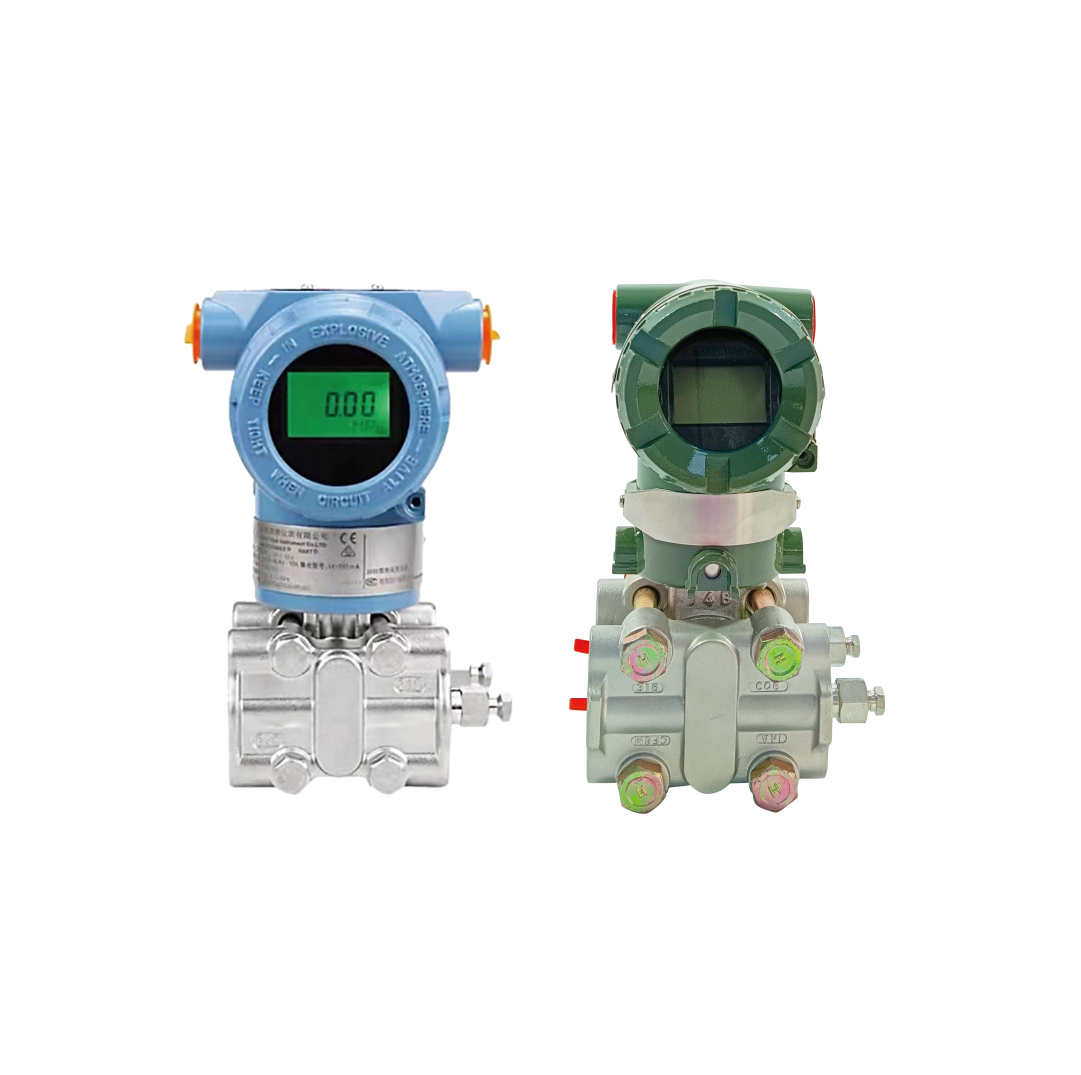
DP Transmitter Accuracy Overview
Let me share our experience in dealing with accuracy specifications and calibration procedures.
How To Calculate Pressure Transmitter Accuracy?
Engineers often face challenges in determining actual transmitter performance in field conditions.
Calculate pressure transmitter accuracy by combining all error sources: Reference Accuracy + Static Pressure Effect + Temperature Effect + Power Supply Effect + Total Performance.
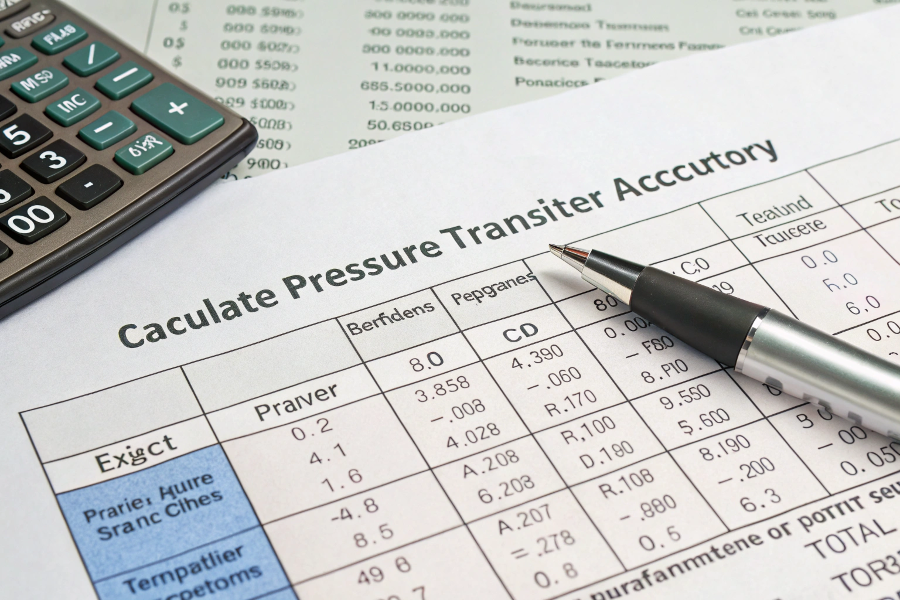
Accuracy Calculation Components
From our testing experience:
Accuracy Components
Error Sources
Component Description Typical Value Reference Accuracy Base accuracy ±0.065% of span Static Pressure Pressure effect ±0.1% of URL Temperature Temp influence ±0.15% per 50°F Power Supply Supply variation ±0.005% per volt Influence Factors
- Ambient conditions
- Process variables
- Installation effects
- Maintenance practices
Performance Verification
Testing Methods
- Bench calibration
- Field verification
- Loop testing
- Documentation
Quality Controls
- Standard procedures
- Test equipment
- Environmental controls
- Record keeping
What Is BFSL Accuracy?
Understanding Best Fit Straight Line (BFSL) accuracy is crucial for proper instrument selection.
BFSL accuracy represents the maximum deviation of actual output from an ideal straight line drawn between zero and full-scale points, minimizing positive and negative deviations.
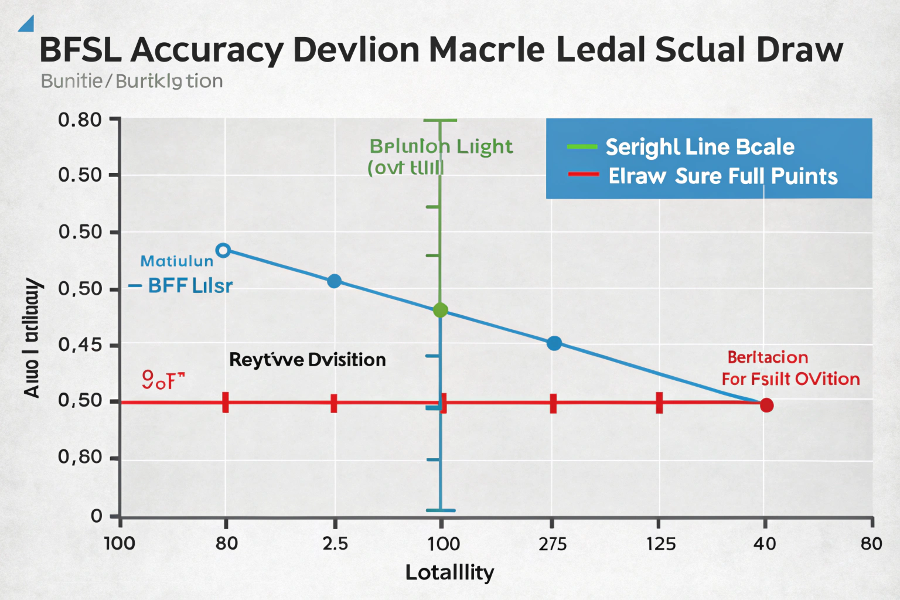
BFSL Accuracy Representation
Based on our technical knowledge:
BFSL Concepts
Definition Elements
Term Meaning Application Best Fit Optimal line Calibration Deviation Error band Specification Zero Point Starting reference Setup Full Scale Maximum range Span Calculation Methods
- Statistical analysis
- Error distribution
- Curve fitting
- Data processing
Practical Applications
Implementation
- Calibration setup
- Error analysis
- Performance verification
- Documentation
Benefits
- Better accuracy
- Reduced uncertainty
- Improved linearity
- Enhanced reliability
How Accurate Is The Rosemount 3051 DP Transmitter?
Many users need to understand the actual performance capabilities of this popular transmitter.
The Rosemount 3051 DP transmitter offers reference accuracy of ±0.065% of span, with optional Ultra accuracy of ±0.025% of span, plus stability of ±0.125% of URL for 5 years.
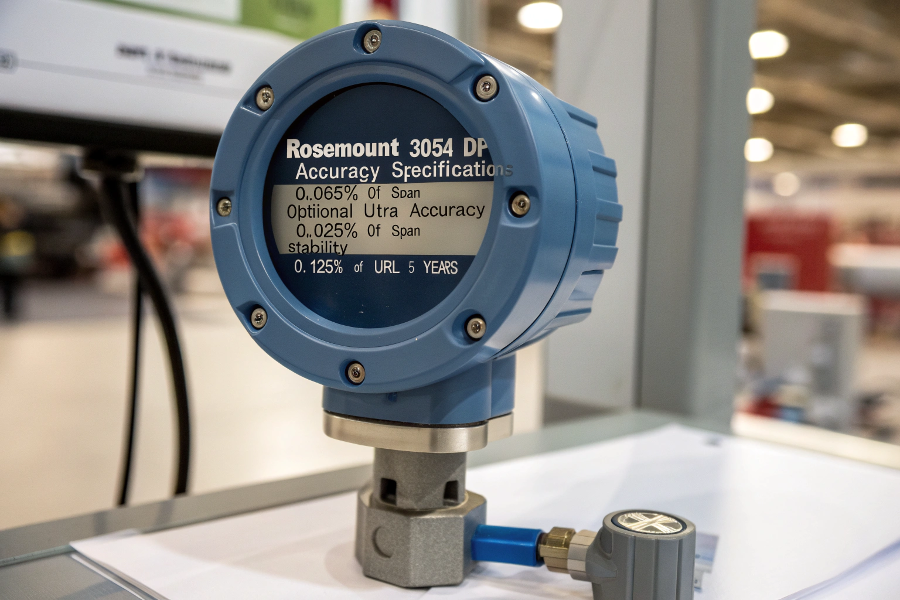
Rosemount 3051 Accuracy Specifications
Drawing from our installation experience:
Performance Specifications
Accuracy Parameters
Specification Value Conditions Reference Accuracy ±0.065% Standard Ultra Accuracy ±0.025% Optional Stability ±0.125% 5-year Temperature Effect ±0.15% Per 50°F Influence Factors
- Operating temperature
- Static pressure
- Mounting position
- Vibration effects
Application Considerations
Installation Requirements
- Proper mounting
- Environmental protection
- Signal conditioning
- Maintenance access
Performance Optimization
- Regular calibration
- Environmental control
- Proper grounding
- Signal filtering
How Do You Calibrate A DP Transmitter?
Proper calibration is essential for maintaining transmitter accuracy.
Calibrate a DP transmitter by applying known pressure inputs, comparing outputs against certified standards, and adjusting zero and span settings to meet specified accuracy requirements.
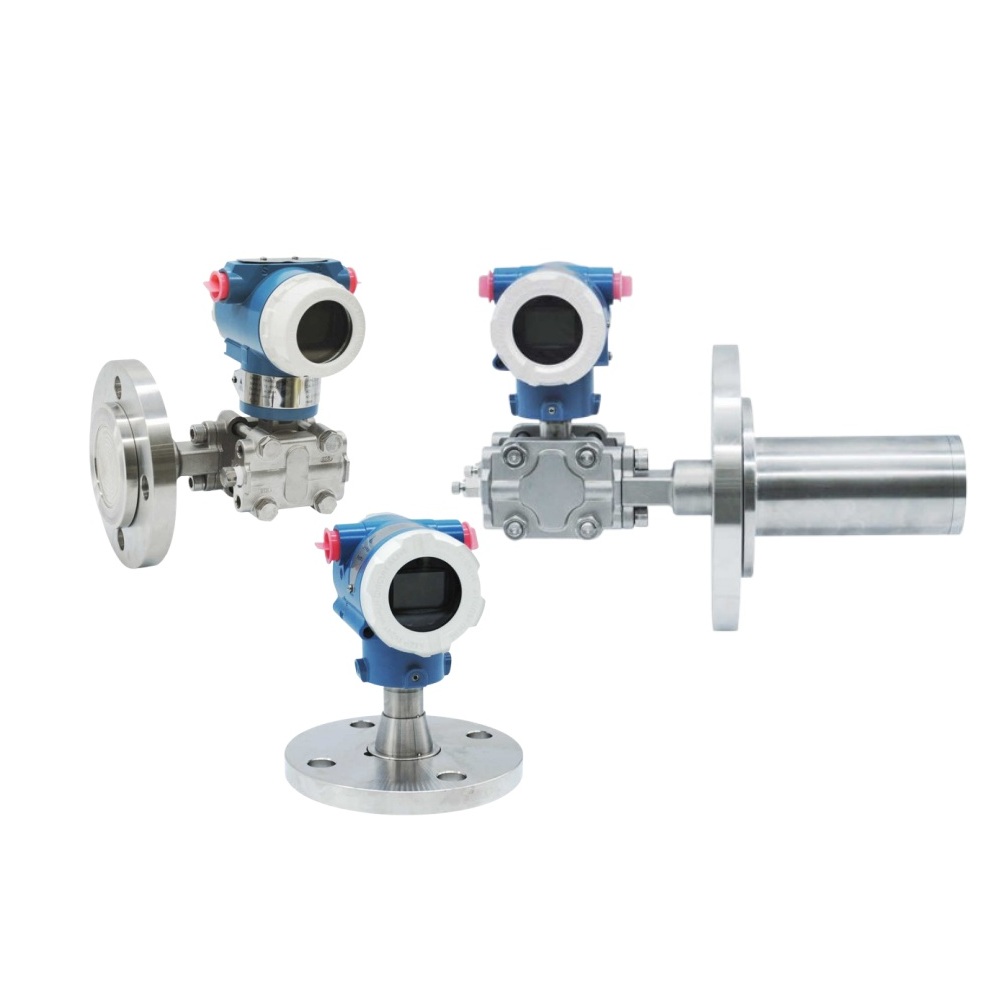
DP Transmitter Calibration Setup
Based on our maintenance experience:
Calibration Process
Equipment Requirements
Item Purpose Specification Pressure Source Input generation 0.02% accuracy Digital Meter Output reading 0.01% accuracy Test Manifold Pressure control 5-valve type Documentation Record keeping Calibration sheet Procedure Steps
- Equipment setup
- Zero verification
- Span checking
- Documentation
Quality Assurance
Critical Factors
- Reference standards
- Environmental conditions
- Technician training
- Documentation requirements
Maintenance Schedule
- Calibration interval
- Performance checks
- Preventive maintenance
- Record keeping
Conclusion
Understanding and maintaining DP transmitter accuracy requires proper knowledge of specifications, careful calibration procedures, and regular maintenance to ensure reliable measurement performance.