Many industries struggle with accurate level measurement, especially in challenging process conditions with steam, dust, or varying temperatures.
Radar level meters are used in industrial processes to measure liquid and solid levels accurately. They excel in harsh environments where other technologies fail.
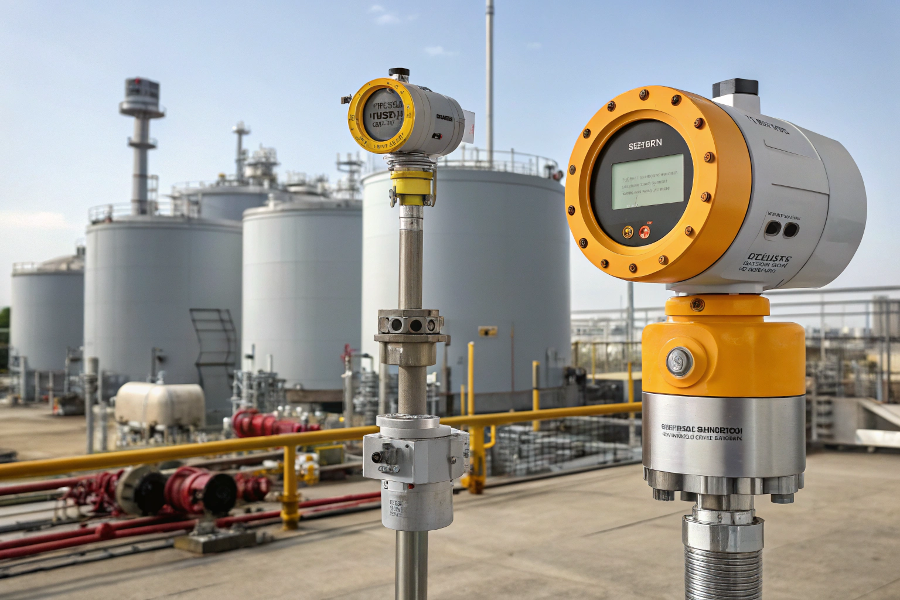
Radar Level Meter Applications
Let me share my experience with radar level measurement applications across different industries.
What is a Radar Level Sensor Used For?
Process engineers often face challenging measurement conditions.
Radar level sensors measure material levels in tanks, silos, and vessels. They work well with liquids, slurries, and bulk solids in various industrial environments.
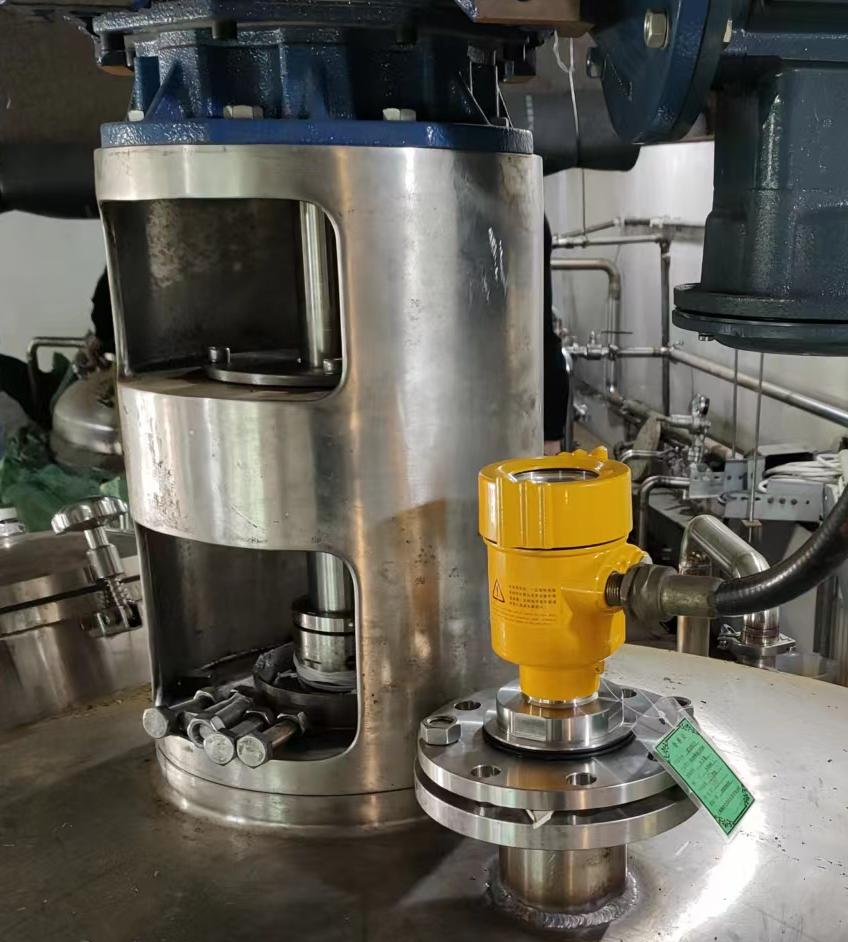
Radar Level Sensor Uses
Based on my field experience:
Industry Applications
Chemical Processing
Application Material Benefit Storage tanks Chemicals Safety Reaction vessels Corrosives Reliability Buffer tanks Solvents Accuracy Mixing tanks Slurries Consistency Water/Wastewater
- Treatment basins
- Storage tanks
- Clarifiers
- Lift stations
Process Conditions
Challenging Environments
- High temperature
- High pressure
- Corrosive media
- Turbulent surfaces
Special Requirements
- Hygienic processes
- Explosion hazards
- Remote monitoring
- Continuous measurement
These applications demonstrate radar’s versatility.
What are Radar Meters Used For?
Finding the right technology for specific applications can be challenging.
Radar meters measure distance, level, and volume in industrial processes. They’re particularly valuable where reliability and accuracy are crucial.
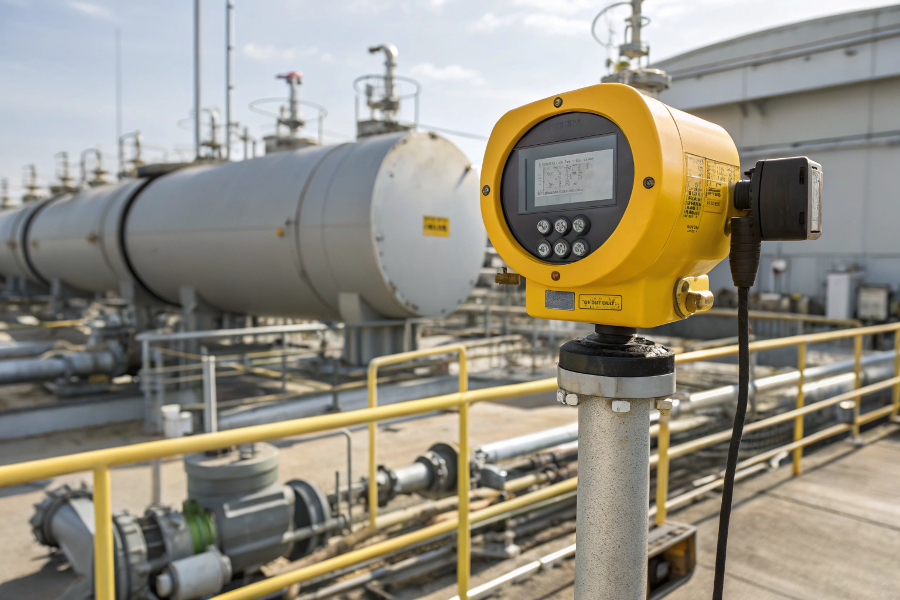
Radar Meter Usage
From my implementation experience:
Common Applications
Industry Sectors
Sector Application Key Feature Oil & Gas Storage tanks Safety Power Boiler drums Reliability Food & Beverage Process vessels Hygiene Mining Bulk solids Durability Measurement Types
- Continuous level
- Interface detection
- Volume calculation
- Mass determination
Application Requirements
Process Parameters
- Material properties
- Tank geometry
- Process conditions
- Safety requirements
Performance Needs
- Measurement range
- Accuracy demands
- Response time
- Reliability needs
These factors guide technology selection.
What is the Difference Between Ultrasonic Level and Radar Level?
Choosing between technologies requires understanding their differences.
Radar uses electromagnetic waves and works well in harsh conditions, while ultrasonic uses sound waves and suits simpler applications at lower costs.
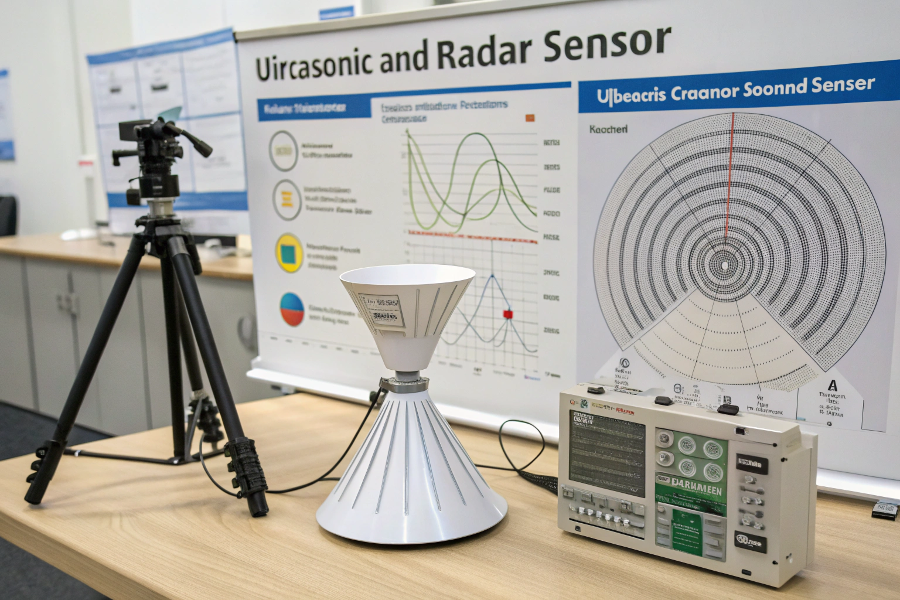
Ultrasonic vs Radar Comparison
Here’s what I’ve learned:
Technical Differences
Operating Principles
Feature Radar Ultrasonic Wave type Electromagnetic Sound Frequency GHz range kHz range Speed Light speed Sound speed Medium effect Minimal Significant Performance Aspects
- Measurement accuracy
- Temperature stability
- Pressure effects
- Environmental immunity
Application Considerations
Environmental Factors
- Temperature changes
- Vapor presence
- Dust conditions
- Pressure variations
Selection Criteria
- Process requirements
- Installation conditions
- Budget constraints
- Maintenance needs
Understanding these differences ensures proper selection.
What are the Advantages of Using Radar Technology to Measure Level?
Radar technology offers unique benefits for level measurement.
Radar provides superior accuracy, reliability in harsh conditions, and maintenance-free operation. It handles vapor, dust, and temperature changes effectively.
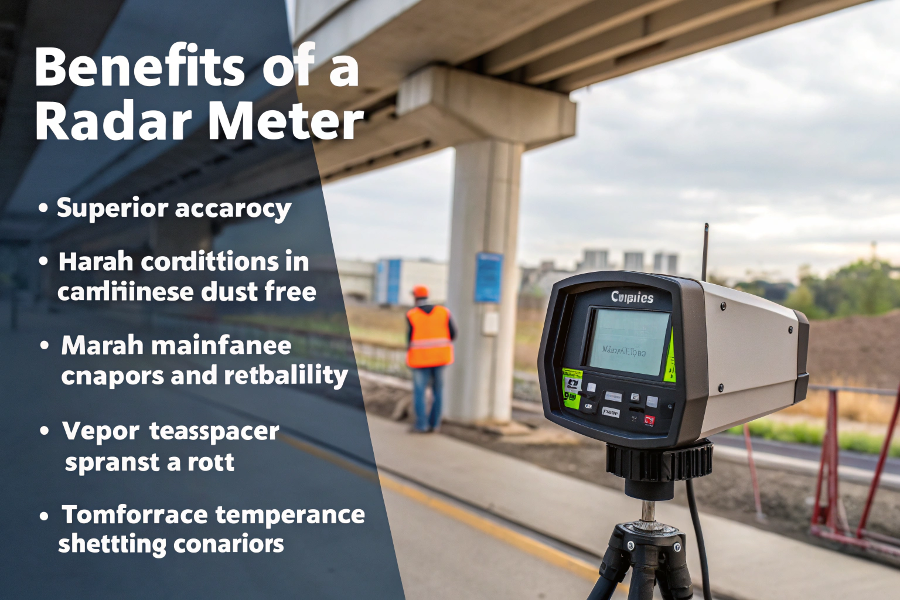
Radar Technology Benefits
Based on my experience:
Key Advantages
Performance Benefits
Benefit Description Impact Accuracy ±2mm possible Better control Reliability Non-contact Less maintenance Versatility Multiple materials Wide application Stability Environmental immunity Consistent results Operational Benefits
- Non-contact measurement
- Low maintenance
- Long service life
- Easy calibration
Application Benefits
Process Advantages
- Steam handling
- Temperature variations
- Pressure changes
- Interface measurement
Installation Benefits
- Simple mounting
- Various connections
- Multiple outputs
- Remote setup
These advantages make radar ideal for challenging applications.
Conclusion
Radar level meters excel in challenging industrial applications, offering superior accuracy and reliability. Their ability to handle harsh conditions makes them ideal for critical processes despite higher initial costs.