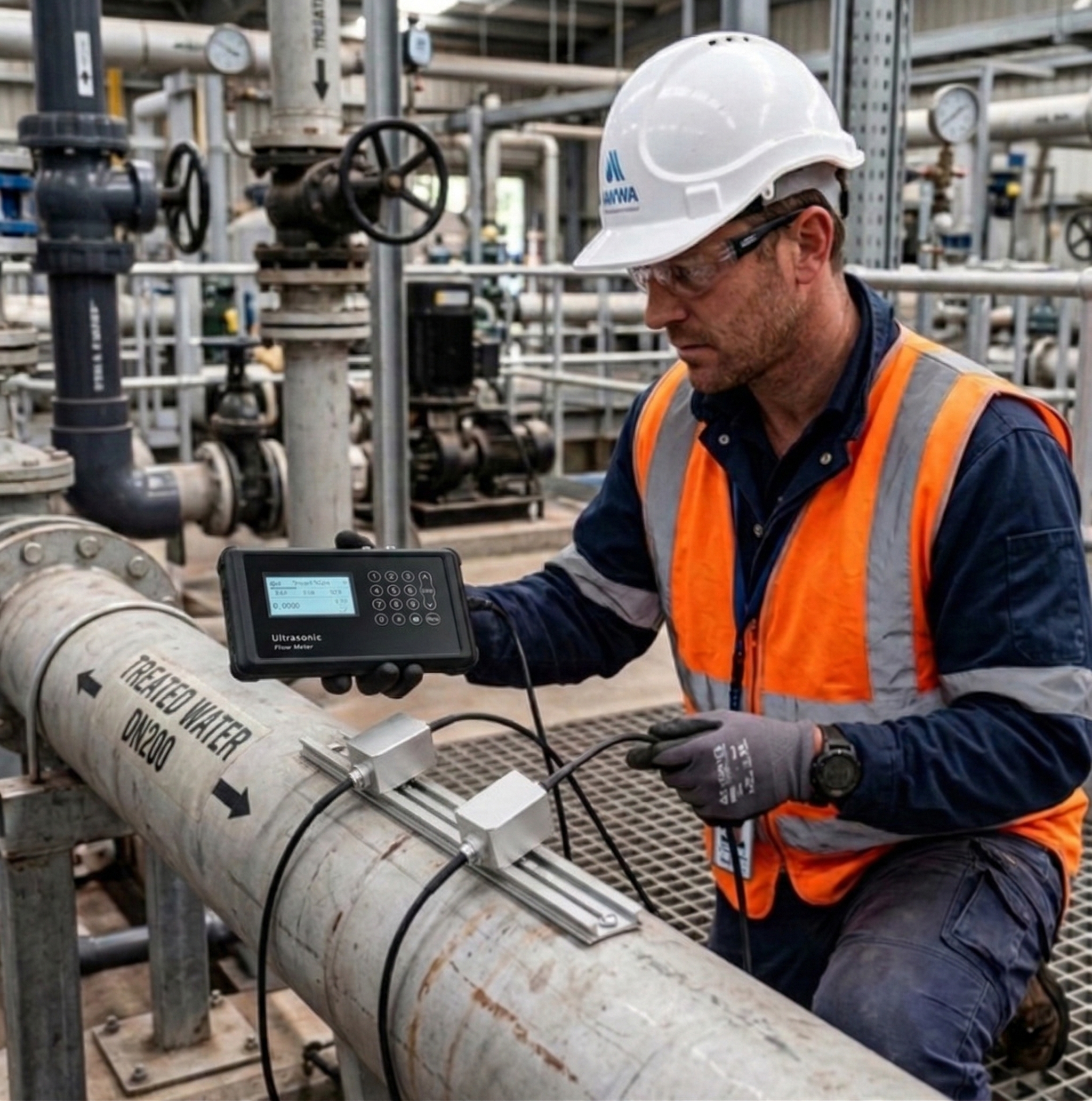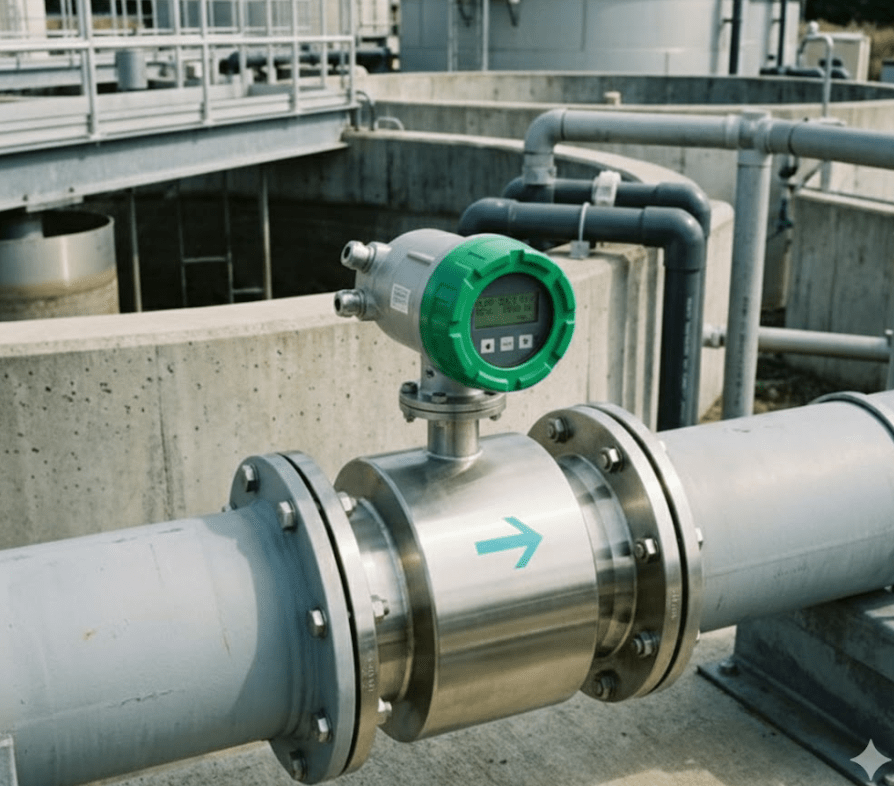
Last month, a client lost thousands in revenue due to an uncertified flow meter failing calibration checks. Quality standards aren’t just paperwork – they’re essential for reliable measurement.
Transit time ultrasonic flow meters must meet international standards like ISO 17025 for calibration, OIML R49 for water metering, and hazardous area certifications when applicable. They should also achieve ±0.5% measurement accuracy.
I’ve spent years helping companies navigate flow meter certifications. Let me share what I’ve learned about essential quality standards.
What International Metrology Certifications Are Required?
In my experience, lacking proper certifications can block entry to key markets. One distributor lost a major contract because their meters didn’t have MID approval.
Key certifications include ISO 4064/OIML R49 for water meters, ISO 17025 for calibration facilities, and regional approvals like MID (Europe) or FM/CSA (North America).
Certification Framework
Primary Standards
Standard Scope Requirements Verification ISO 170251 Lab calibration Quality system Annual audit OIML R49 Water metering Accuracy class Type testing MID MI-001 EU compliance Error limits Notified body ATEX/IECEx Hazardous areas Safety design Third-party Regional Requirements
- North America: FM, CSA, UL approvals
- Europe: CE marking2, MID certification
- Asia: Local standards compliance
- Global: ISO 9001 quality system
What Material and Construction Standards Must Be Met?
Recently, I encountered a meter failing due to improper material selection for a corrosive application. Proper material standards are crucial.
Flow meters must meet pressure equipment standards like PED 2014/68/EU, material certifications like EN 10204, and construction standards for specific industries.
Material Compliance
Component Standard Properties Verification Body PED/ASME Pressure rating Material cert Transducers IP68/NEMA Protection class Water test Electronics IEC 61326 EMC compliance4 EMC testing Seals FDA/EHEDG Food grade Certification
How Are Accuracy and Repeatability Standards Verified?
I recently helped a customer improve their meter’s accuracy from ±2% to ±0.5% by implementing proper testing procedures.
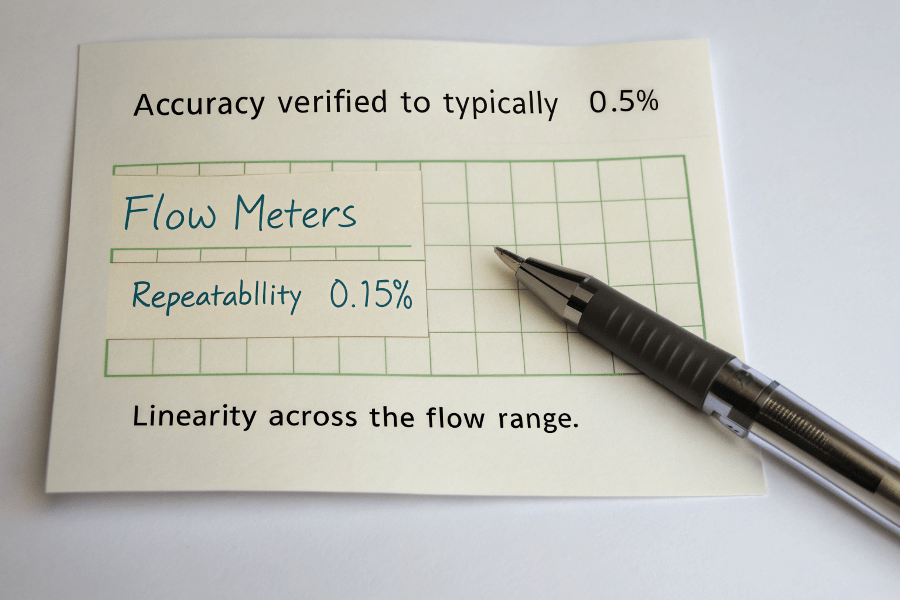
Flow meters must undergo rigorous testing to verify accuracy (typically ±0.5%), repeatability (±0.15%), and linearity across the flow range.
Accuracy Testing Process
Performance Testing
Test Requirements
Parameter Standard Method Acceptance Accuracy ISO 4064 Multi-point ±0.5% Repeatability ISO 9001 3x testing ±0.15% Linearity OIML R49 Flow range Within class Zero stability MID Zero flow ±0.1% Testing Conditions
- Temperature variations
- Flow profile effects
- Long-term stability
- Environmental factors
What Electronic and Software Security Standards Apply?
Last week, I advised a client on cybersecurity upgrades after their meters were compromised. Digital security is now as crucial as mechanical reliability.
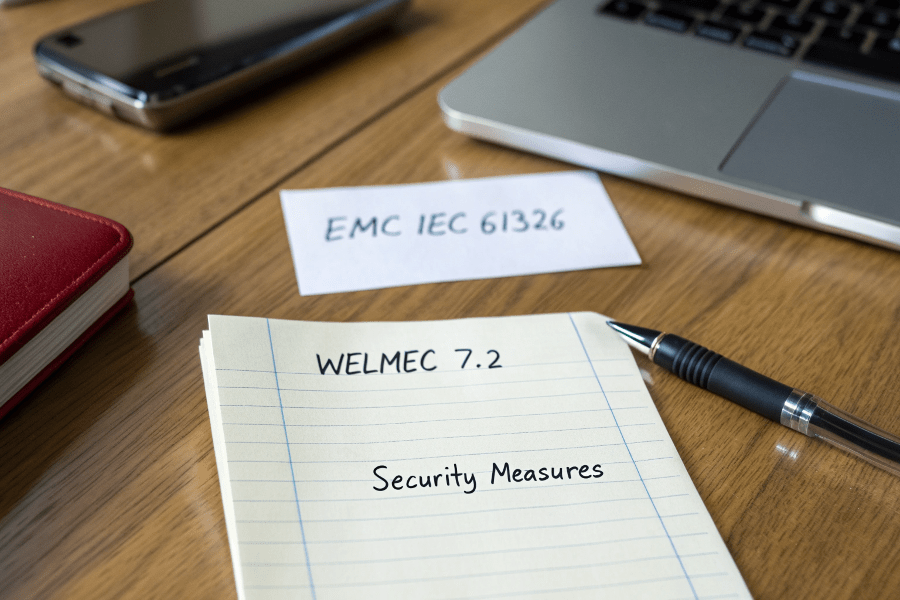
Electronic components must meet EMC standards (IEC 61326), software must comply with WELMEC 7.2, and communication protocols must implement security measures.
Electronic and Software Security
Security Requirements
Digital Standards
Aspect Standard Requirements Validation EMC IEC 61326 Interference EMC testing Software WELMEC 7.2 Security Audit trail Communication IEC 62443 Encryption Penetration test Data integrity ISO 27001 Protection Security audit
Conclusion
Meeting quality control standards ensures reliable performance, legal compliance, and customer satisfaction. Regular verification of these standards is essential for maintaining meter integrity.
Contact our technical team for detailed guidance on quality standards compliance for your specific application.
Explore this link to understand ISO 17025’s role in ensuring quality and reliability in laboratory testing. ↩
Learn about CE marking to ensure your products meet EU safety and health standards, enhancing market access. ↩
Understanding Material Requirements is crucial for ensuring compliance with industry standards and regulations. ↩
Exploring EMC compliance helps in grasping its significance in electronic device safety and performance. ↩