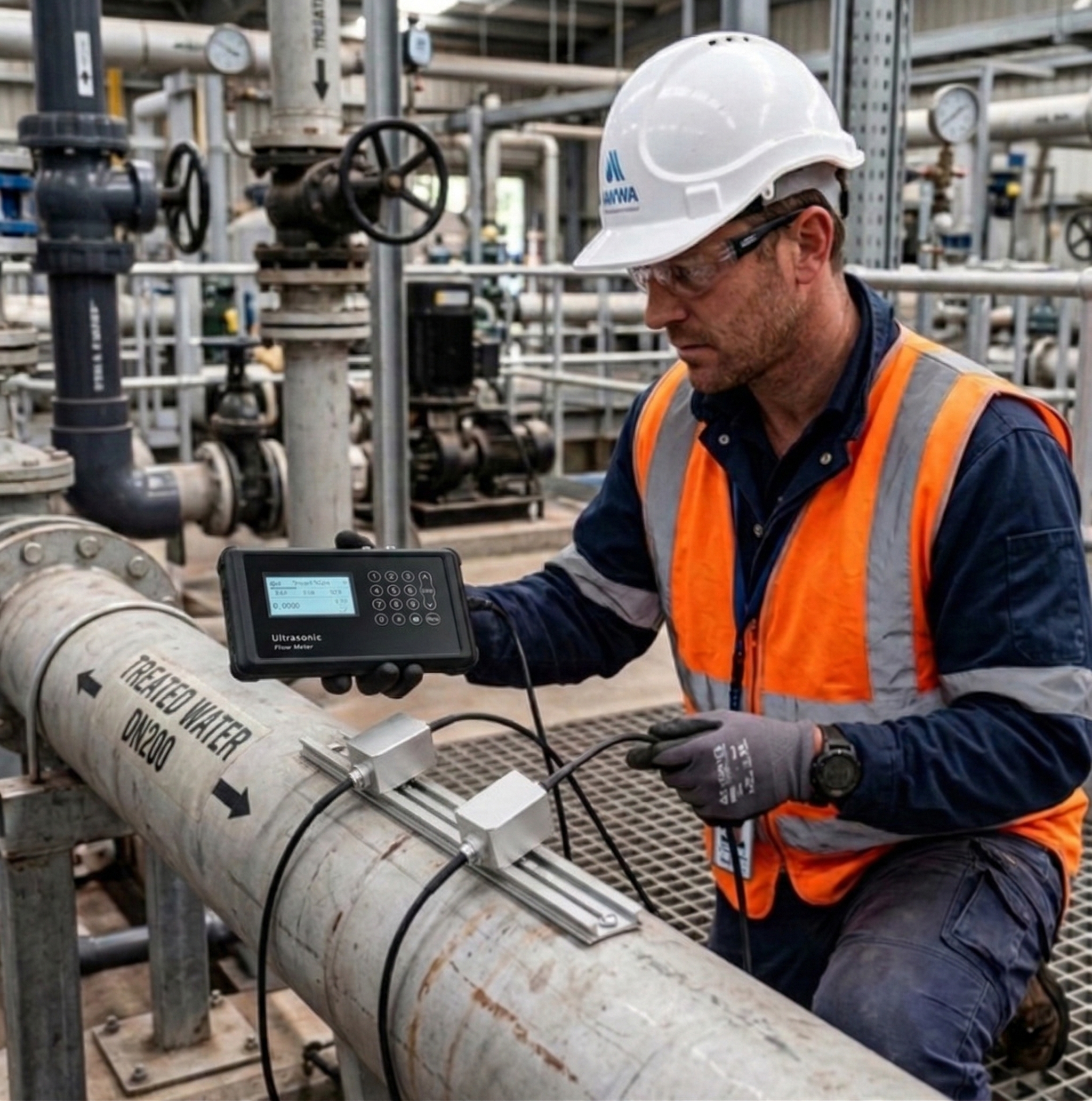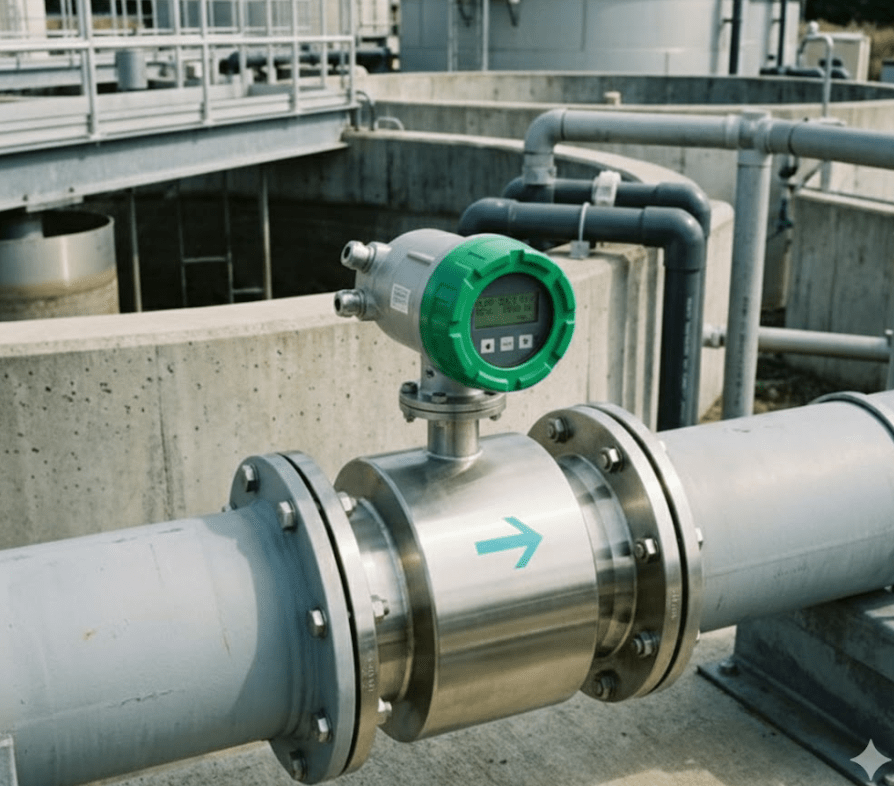
Many facilities struggle with accurate wastewater flow measurement, leading to inefficient operations and compliance issues.
An electromagnetic flow meter uses Faraday’s law of electromagnetic induction to measure conductive fluid flow in pipes, providing accurate measurements for wastewater applications.
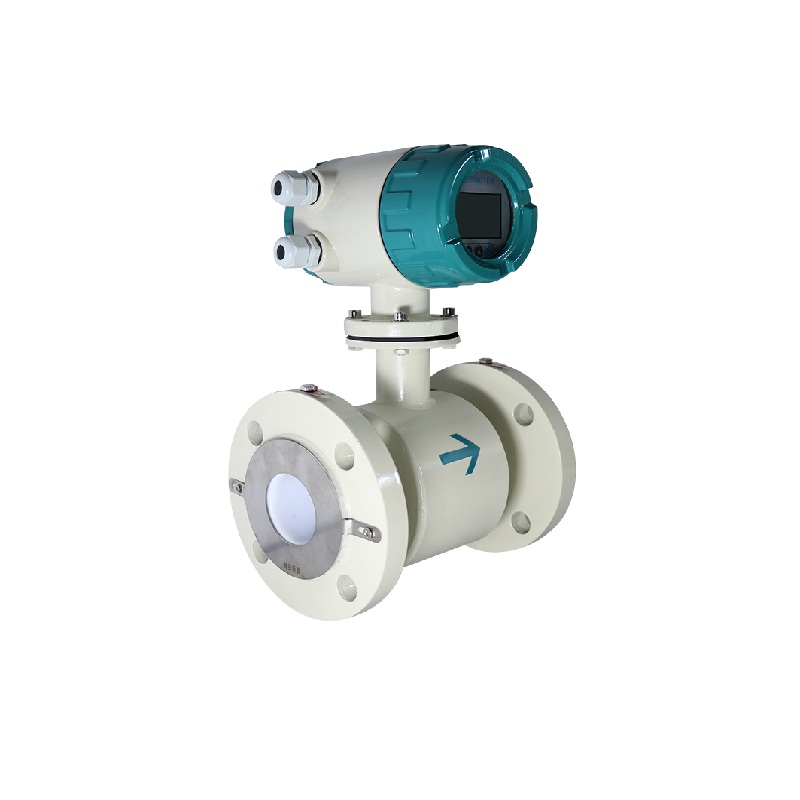
Electromagnetic Flow Meter Basic Structure
Let me explain how electromagnetic flow meters work in wastewater applications, based on my extensive experience.
What Is The Purpose Of The Electromagnetic Flow Meter?
Plant managers often wonder why electromagnetic flow meters are preferred for wastewater applications.
Electromagnetic flow meters provide accurate, reliable flow measurement for conductive fluids without obstructing flow, making them ideal for wastewater monitoring and process control.
From my implementation experience:
Key Applications
Industry Uses
Application Benefit Key Feature Impact Wastewater Treatment1 Accurate measurement No moving parts Reduced maintenance Process Control Real-time data High accuracy Better efficiency Billing Reliable readings Long-term stability Fair charging Compliance Consistent data Digital output Easy reporting Technical Advantages
- Non-intrusive measurement2
- No pressure loss
- Bi-directional flow capability
- Chemical resistance
Operating Principles
Working Mechanism
- Electromagnetic induction
- Voltage generation
- Signal processing
- Flow calculation
Performance Features
- High accuracy levels
- Wide measuring range
- Stable readings
- Low maintenance needs
What Are The Disadvantages Of Electromagnetic Flow Meters?
Understanding limitations helps avoid costly mistakes in flow meter selection and implementation.
Main disadvantages include the requirement for conductive fluids, high initial costs, the need for proper grounding, and potential issues with empty pipe detection.
Based on my field experience:
Common Challenges
Technical Limitations
Limitation Impact Solution Prevention Conductivity requirement Limited use Pre-testing Application check Installation costs3 Budget issues Long-term ROI Proper planning Grounding problems Inaccurate readings Proper setup Expert installation Empty pipe issues False readings Detection systems Regular monitoring Operational Concerns
- Power requirements
- Environmental factors
- Maintenance needs
- Calibration requirements4
Mitigation Strategies
Installation Best Practices
- Proper grounding
- Correct positioning
- Adequate power supply
- Environmental protection
Maintenance Requirements
- Regular inspection
- Calibration schedule
- Performance monitoring
- Preventive maintenance
How To Use An Electromagnetic Flow Meter?
Improper use of electromagnetic flow meters can lead to inaccurate measurements and equipment damage.
To use an electromagnetic flow meter, ensure proper installation, maintain required straight pipe runs, verify proper grounding, and regularly check calibration.
Drawing from my expertise:
Installation Guidelines
Setup Requirements
Requirement Specification Purpose Impact Straight pipe run 5D upstream, 3D downstream Flow profile Accuracy Grounding Multiple points Signal stability Reliability Power supply Consistent source Operation Performance Orientation Vertical/horizontal Application Effectiveness Operation Steps
- Initial calibration
- Zero point setting
- Parameter configuration
- Signal verification
Maintenance Protocol
Regular Checks
- Signal strength
- Zero point
- Electrode condition
- Grounding integrity
Troubleshooting Guide
- Error identification
- Problem solving
- Performance recovery
- Documentation
Conclusion
Electromagnetic flow meters offer reliable wastewater flow measurement when properly selected, installed, and maintained, with understanding of their limitations and differences from other technologies being crucial for success.
Explore this link to understand how wastewater treatment technologies can enhance environmental sustainability and efficiency. ↩
Discover the advantages of non-intrusive measurement techniques and how they can improve various industrial processes. ↩
Understanding how to effectively manage installation costs can lead to better budgeting and project success. ↩
Exploring calibration requirements can enhance accuracy and reliability in various operational settings. ↩