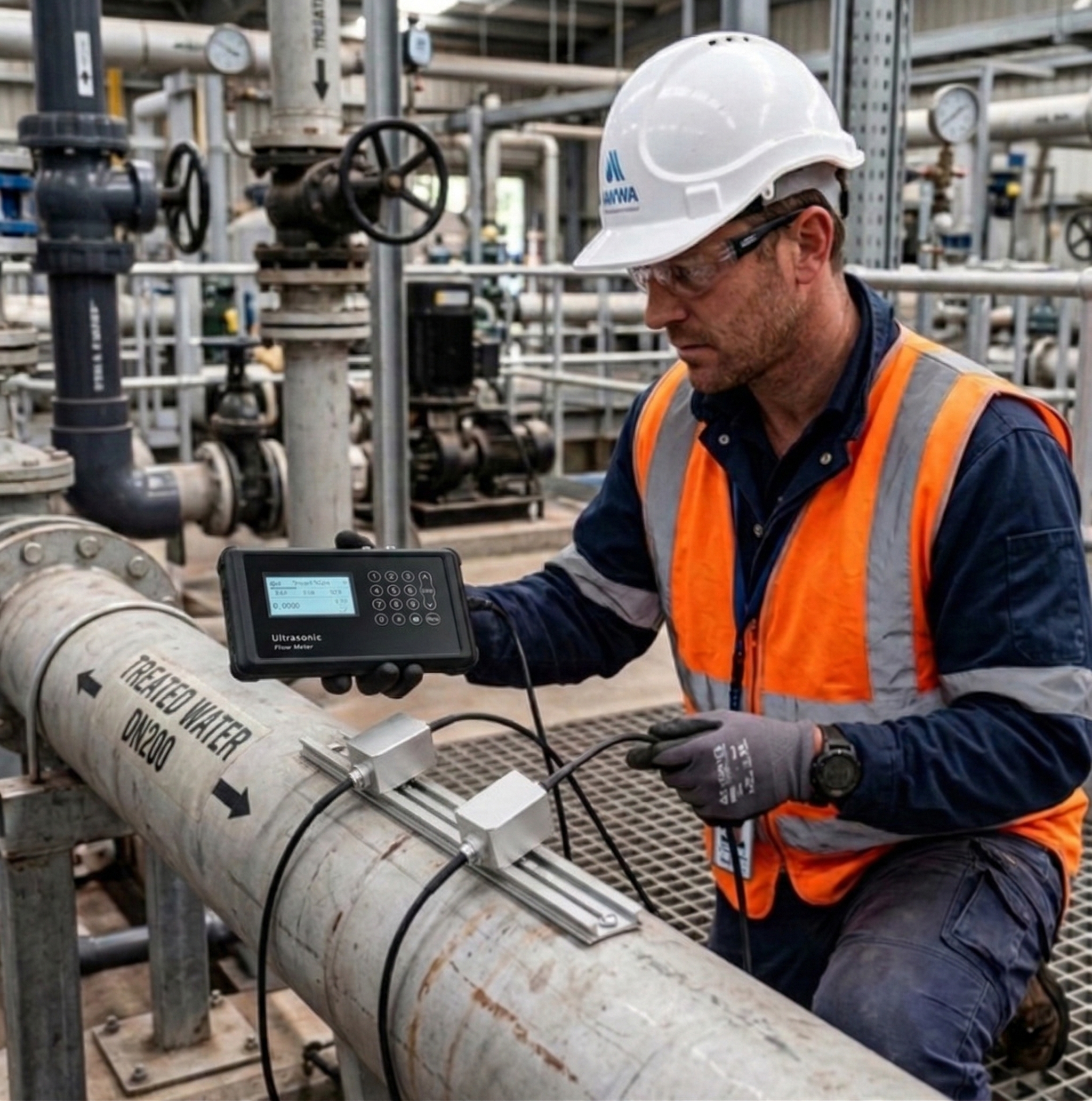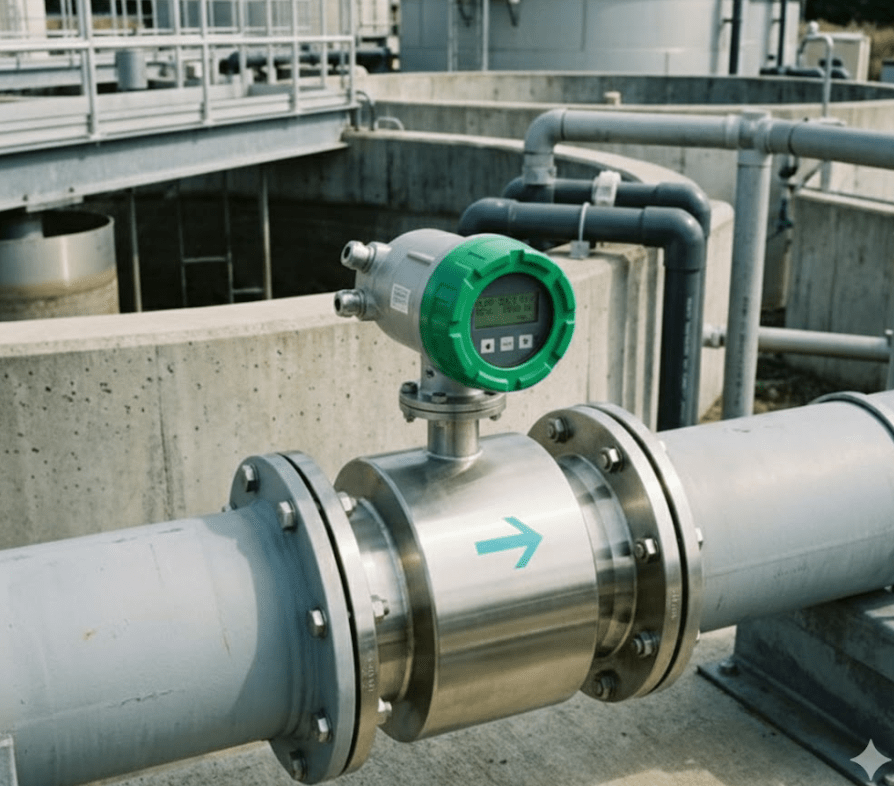
Many homeowners and facility managers face high water bills and inefficient usage due to poor flow measurement understanding.
A water flow meter is a device that measures the volume or rate of water flowing through pipes, essential for billing, consumption monitoring, and leak detection.
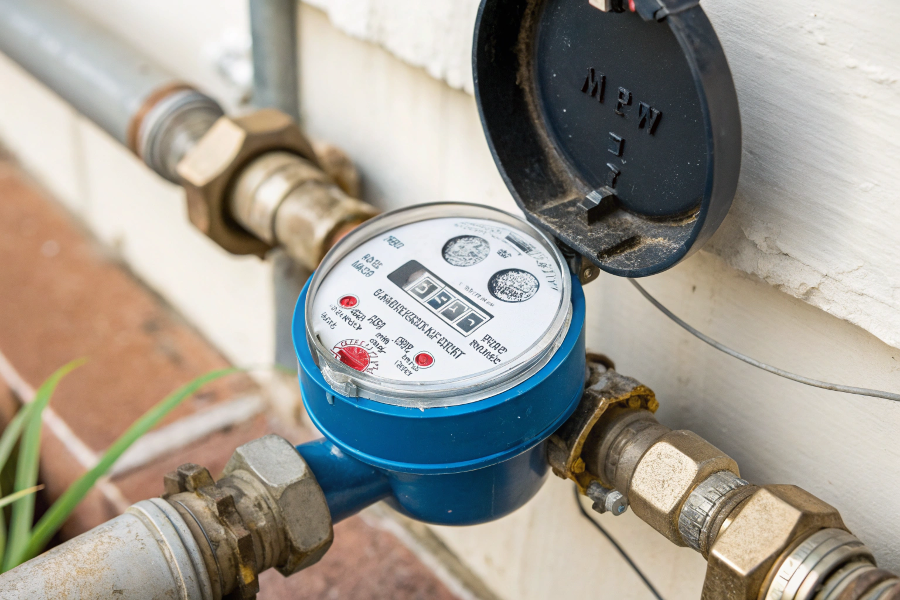
Water Flow Meter Installation
Let me share my insights from years of working with water flow measurement systems.
What is the K-factor of a Water Flow Meter?
Getting the K-factor wrong can lead to inaccurate billing and water usage tracking.
The K-factor in water flow meters represents the pulses generated per unit volume, typically ranging from 100 to 5000 pulses per gallon, depending on meter size and type.
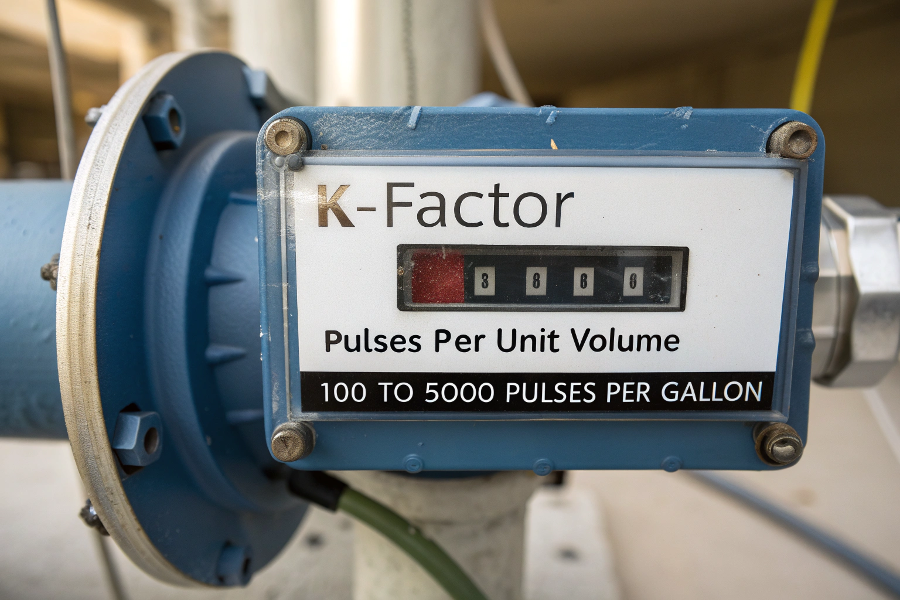
K-Factor Calibration Process
From my experience with water meter calibration:
Understanding K-Factor
Common Values
Meter Size K-Factor Range Typical Application 1/2 inch 4000-5000 ppg Residential 1 inch 2000-3000 ppg Light Commercial 2 inch 500-1000 ppg Commercial 4 inch 100-300 ppg Industrial Affecting Factors
- Water temperature
- Pressure conditions
- Installation position
- Flow range
Calibration Requirements
Regular Maintenance
- Annual verification
- Performance testing
- Accuracy checks
- Documentation
Common Issues
- Scale buildup
- Mechanical wear
- Electronic drift
- Environmental effects
Proper calibration ensures accuracy.
What is a Water Flow Meter?
Choosing the wrong type of water meter can result in unnecessary expenses and maintenance problems.
A water flow meter is a measuring instrument that determines water consumption by tracking flow volume or rate, available in mechanical, electromagnetic, and ultrasonic varieties.
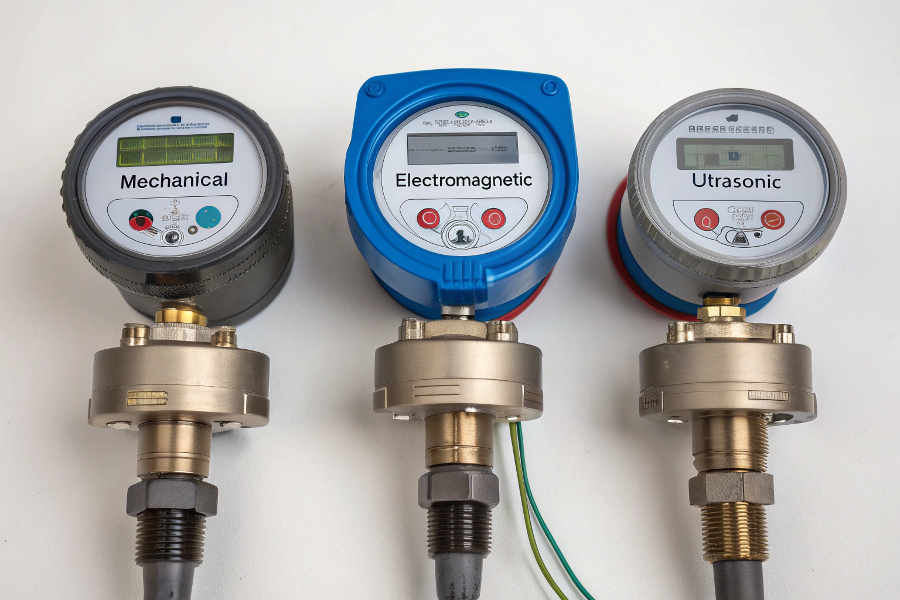
Different Types of Water Meters
Based on my field installations:
Types of Water Meters
Common Technologies
Type Accuracy Best Use Case Mechanical ±2% Residential Electromagnetic ±0.5% Industrial Ultrasonic ±1% Commercial Turbine ±1.5% Large Flow Selection Criteria
- Flow range
- Installation space
- Maintenance needs
- Budget constraints
Application Areas
Usage Sectors
- Residential buildings
- Commercial facilities
- Industrial plants
- Municipal systems
Key Features
- Remote reading
- Leak detection
- Data logging
- Tamper protection
Proper selection ensures performance.
What is a Good Water Flow Rate for a House?
Inadequate water flow can cause daily inconvenience while excessive flow wastes resources.
A good residential water flow rate typically ranges from 6 to 12 gallons per minute for the main supply, with 3-4 GPM per fixture.
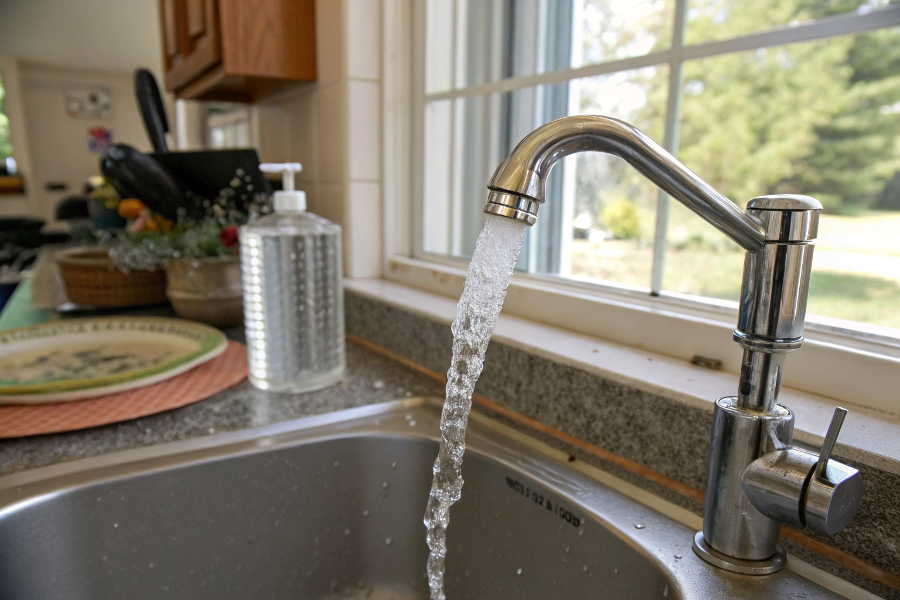
Residential Water Flow Rates
From my residential system designs:
Flow Rate Standards
Fixture Requirements
Fixture Min Flow (GPM) Optimal Flow (GPM) Shower 2.0 2.5-3.0 Kitchen Sink 1.5 2.0-2.5 Toilet 1.6 1.6-3.0 Washing Machine 2.0 3.0-5.0 System Considerations
- Pipe size
- Water pressure
- Usage patterns
- Peak demands
Performance Factors
Common Issues
- Pressure drops
- Flow restrictions
- Peak usage
- System capacity
Improvement Methods
- Pressure regulation
- Pipe sizing
- Distribution design
- Storage solutions
Optimal flow ensures satisfaction.
How to Read a Water Flow Meter?
Misreading water meters leads to billing disputes and undetected leaks.
To read a water meter, locate the display, identify the unit of measurement, and record all digits shown, noting the decimal point position and any multiplier factors.
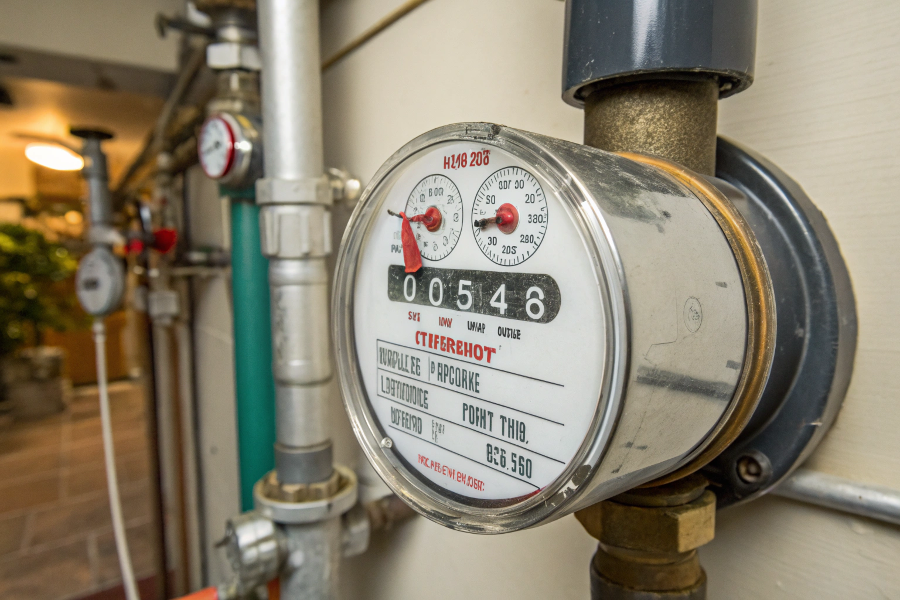
Water Meter Reading Instructions
Here’s my practical guide:
Reading Process
Display Types
Type Format Common Units Digital Direct number Gallons/Cubic feet Analog Dial based Cubic meters Smart Electronic Multiple units Combination Hybrid Mixed units Reading Steps
- Clean display
- Check units
- Note all digits
- Record reading
Monitoring Tips
Regular Checks
- Monthly readings
- Leak detection
- Usage patterns
- Bill verification
Documentation
- Reading logs
- Consumption trends
- Maintenance records
- Issue reports
Proper reading ensures accuracy.
Conclusion
Understanding water flow meters, from K-factor calibration to reading techniques, is crucial for effective water management in both residential and commercial applications.