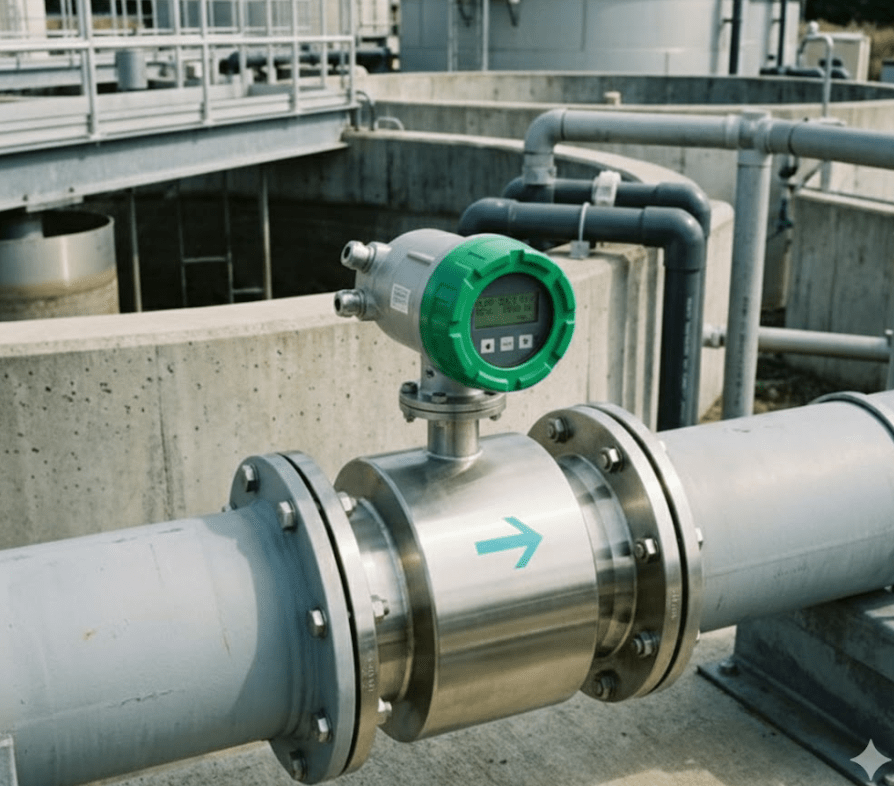
Facing issues with DP transmitters can halt production and cause significant losses in industrial processes.
To troubleshoot a DP transmitter, follow a systematic approach: check power supply, verify process connections, inspect impulse lines, validate zero/span calibration, and test output signal.
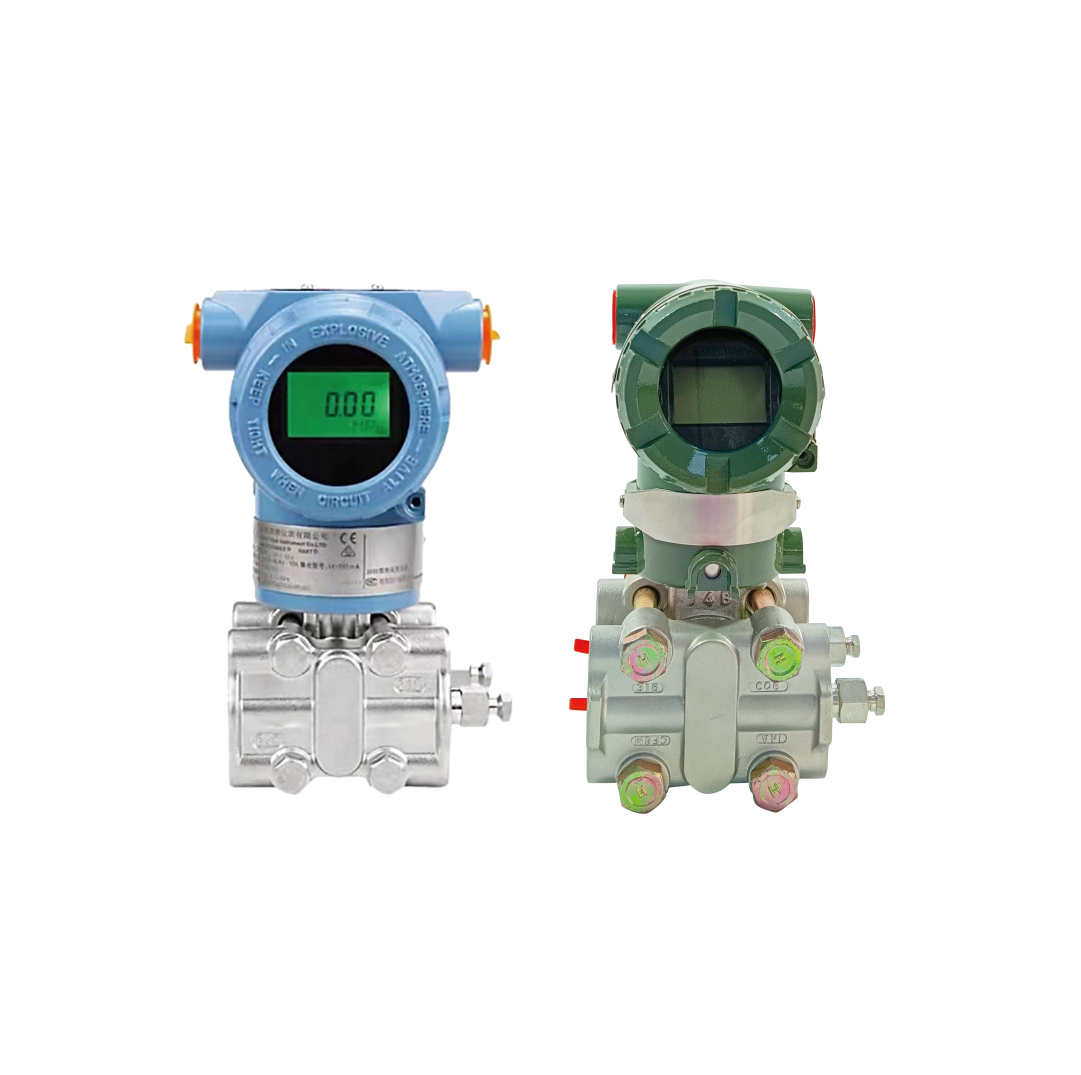
DP Transmitter Troubleshooting Guide
Let me share proven troubleshooting methods based on my extensive field experience.
How To Troubleshoot A DP Transmitter Step By Step?
Proper troubleshooting requires a systematic approach to identify and resolve issues efficiently.
Start with basic checks: verify power supply (typically 24VDC), check process connections for leaks, inspect impulse lines for blockages, and validate transmitter configuration.
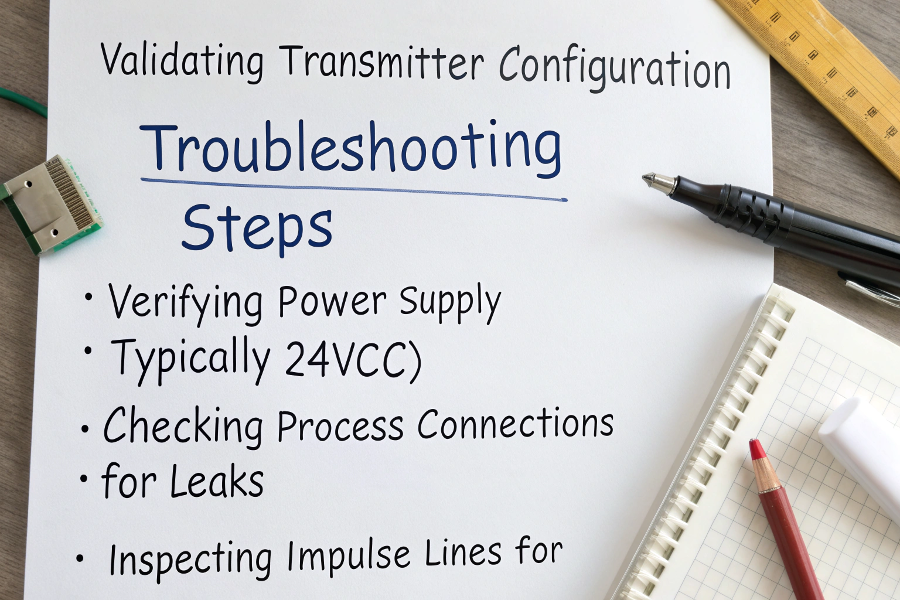
Systematic Troubleshooting Steps
Here’s my detailed troubleshooting approach:
Basic Checks
Power Supply Verification
Check Point Normal Range Action Required Supply voltage 24VDC ±10% Adjust power supply Loop current 4-20mA Check loop resistance Terminal connections Tight & clean Clean/tighten terminals Ground connection <1 ohm Improve grounding Process Connection Inspection
- Valve positions
- Leak detection
- Connection tightness
- Manifold alignment
Advanced Diagnostics
Signal Analysis
- Output verification
- Zero adjustment
- Span verification
- Response time
Communication Check
- HART communication
- Configuration parameters
- Error messages
- Device status
How To Troubleshoot A Faulty Transmitter?
A systematic approach helps identify the root cause of transmitter failures.
Check for common issues: incorrect wiring, loop power problems, process connection issues, sensor damage, or electronic failures.
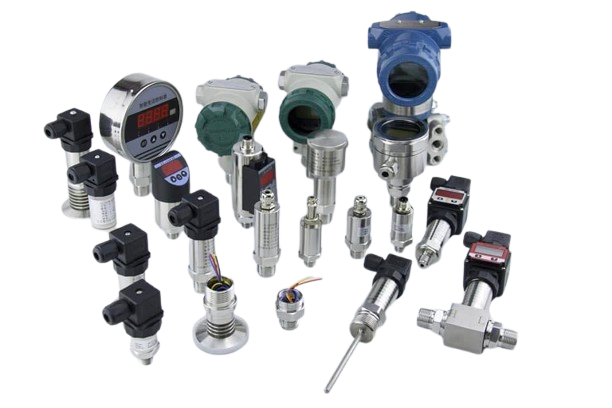
Faulty Transmitter Analysis
Based on my troubleshooting experience:
Common Faults Analysis
Electrical Issues
Problem Symptoms Solution Power supply No output Check voltage Wiring Intermittent signal Inspect connections Ground loops Signal noise Fix grounding Short circuits No communication Check isolation Mechanical Problems
- Sensor damage
- Diaphragm rupture
- Process buildup
- Mechanical stress
Resolution Steps
Diagnostic Tools
- Multimeter usage
- HART communicator
- Pressure calibrator
- Loop simulator
Repair Procedures
- Component replacement
- Calibration adjustment
- Configuration update
- Documentation
How To Check DP Transmitter Performance?
Regular performance checks ensure measurement accuracy and reliability.
Perform zero/span verification, check impulse line cleanliness, verify output signal accuracy, and validate process variable readings.
%(percentage)dp-performance-check
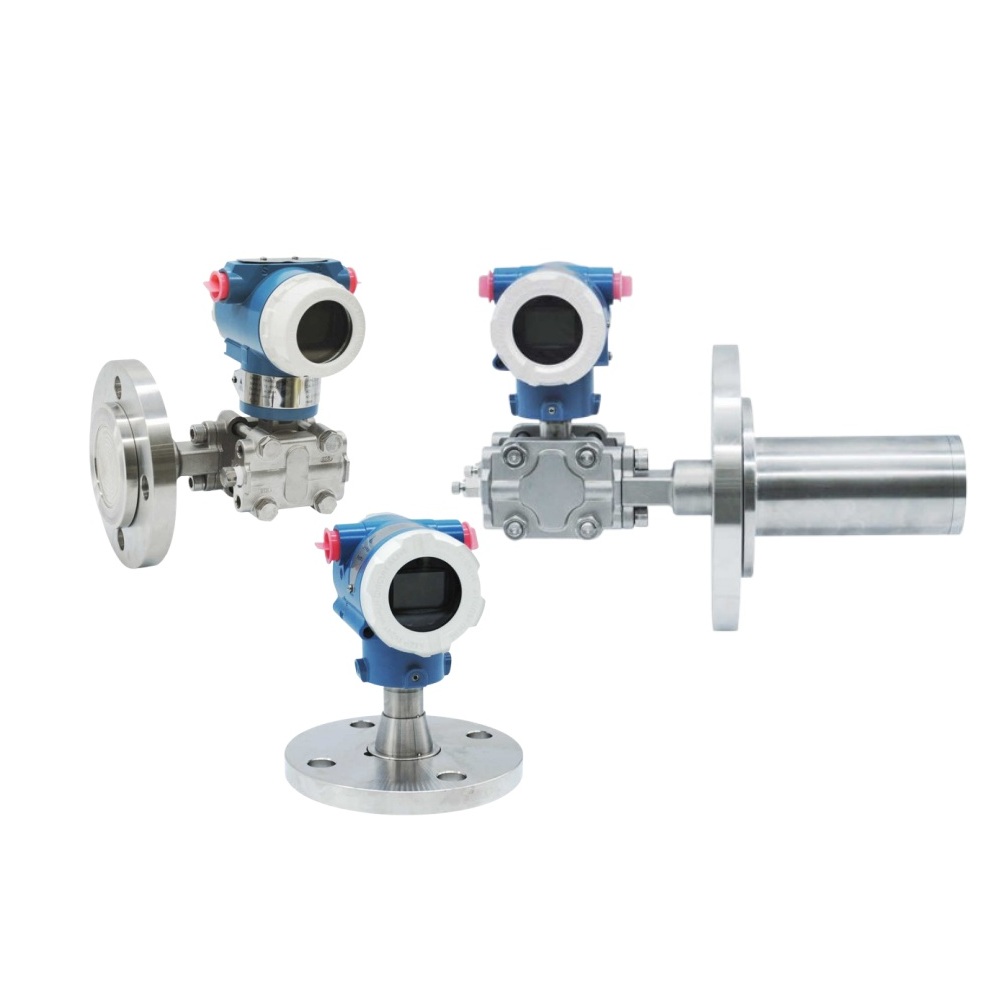 DP Performance Verification
From my maintenance experience:
Performance Verification
Calibration Check
Step Action Acceptance Criteria Zero check Apply equal pressure ±0.1% of span Span check Apply known DP ±0.5% of span Linearity Multiple points Within specification Hysteresis Up/down check Within tolerance Physical Inspection
- Housing integrity
- Process seals
- Vent/drain valves
- Mounting stability
Documentation Requirements
Test Records
- As-found readings
- As-left readings
- Test equipment used
- Environmental conditions
Maintenance History
- Previous issues
- Repairs made
- Parts replaced
- Calibration dates
How To Check If A Pressure Transmitter Is Working Or Not?
Quick operational checks can identify transmitter functionality issues.
Verify loop power, measure output signal (4-20mA), check display readings if available, and compare with process conditions.
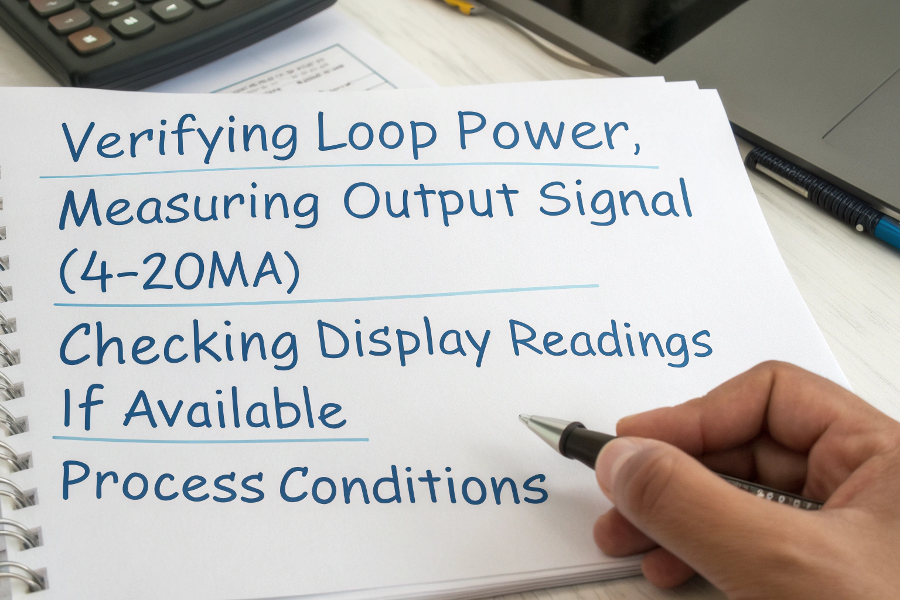
Transmitter Functionality Test
Based on my testing procedures:
Functional Testing
Basic Checks
Test Method Expected Result Power check Measure voltage 24VDC ±10% Output signal Loop current 4-20mA range Display test Visual check Clear reading Response test Pressure change Proper response Advanced Testing
- Communication check
- Configuration verify
- Alarm function
- Zero/span validation
Safety Considerations
Test Preparation
- Isolation procedures
- Safety equipment
- Tool verification
- Area clearance
Documentation
- Test results
- Safety permits
- Operating procedures
- Maintenance records
Conclusion
Effective DP transmitter troubleshooting requires a systematic approach, proper tools, and attention to safety procedures to ensure accurate diagnosis and reliable resolution of issues.