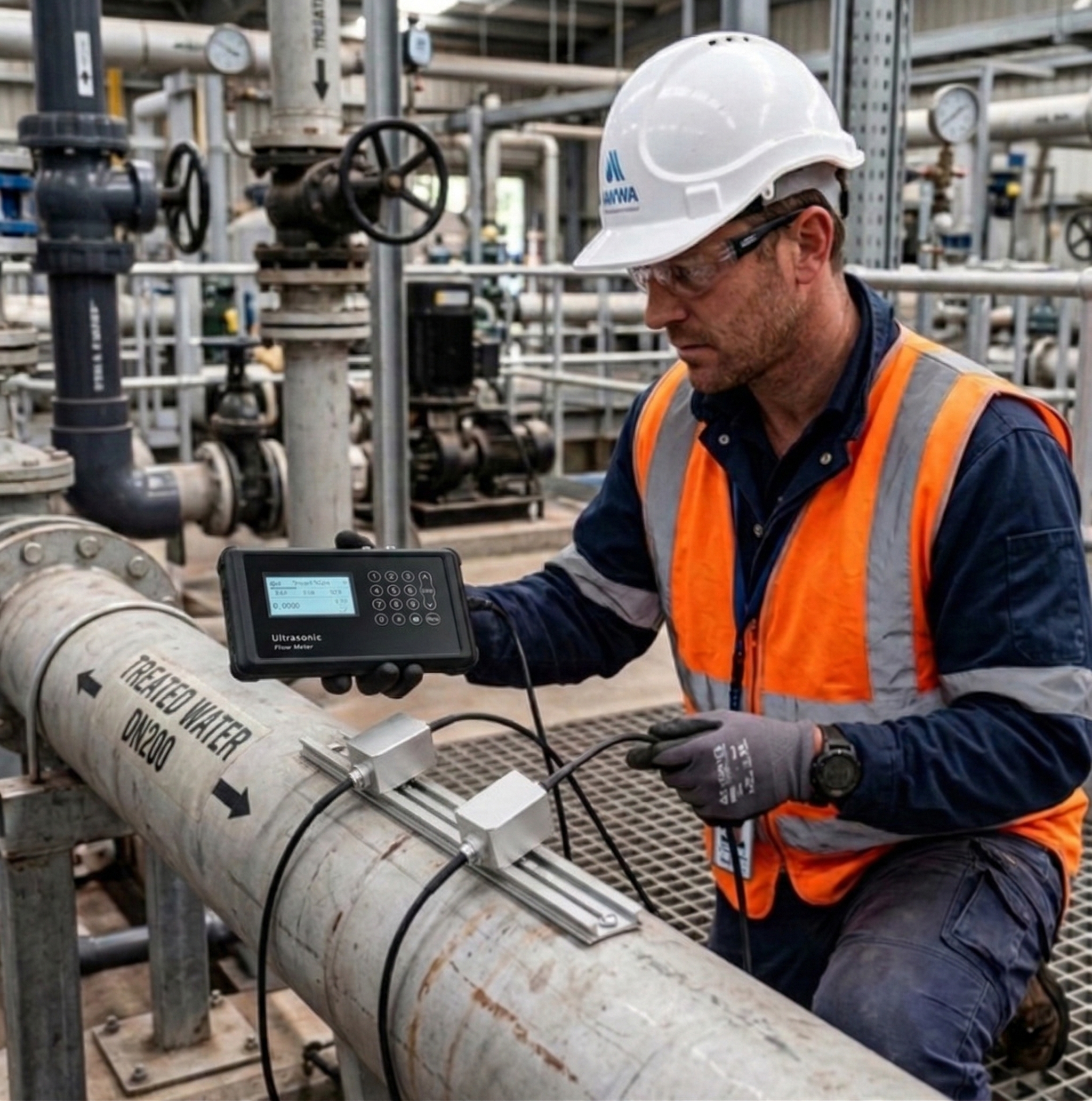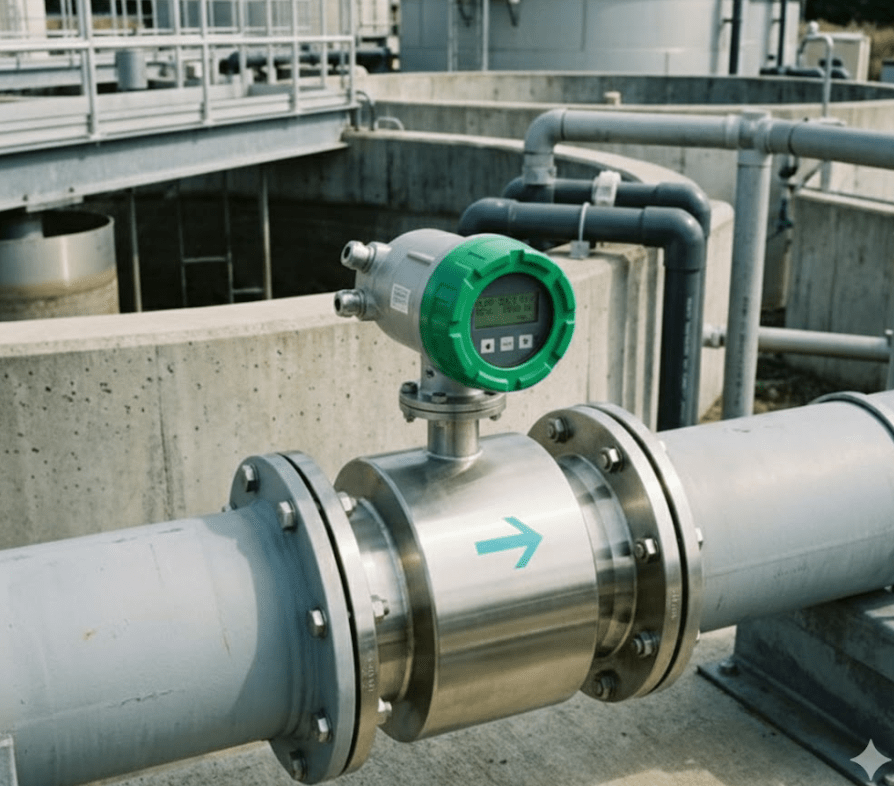
Improper boiler pressure monitoring can lead to dangerous operating conditions and inefficient steam production.
A differential pressure transmitter in boilers measures pressure differences between two points to monitor water level, steam flow, and system performance, ensuring safe and efficient boiler operation.
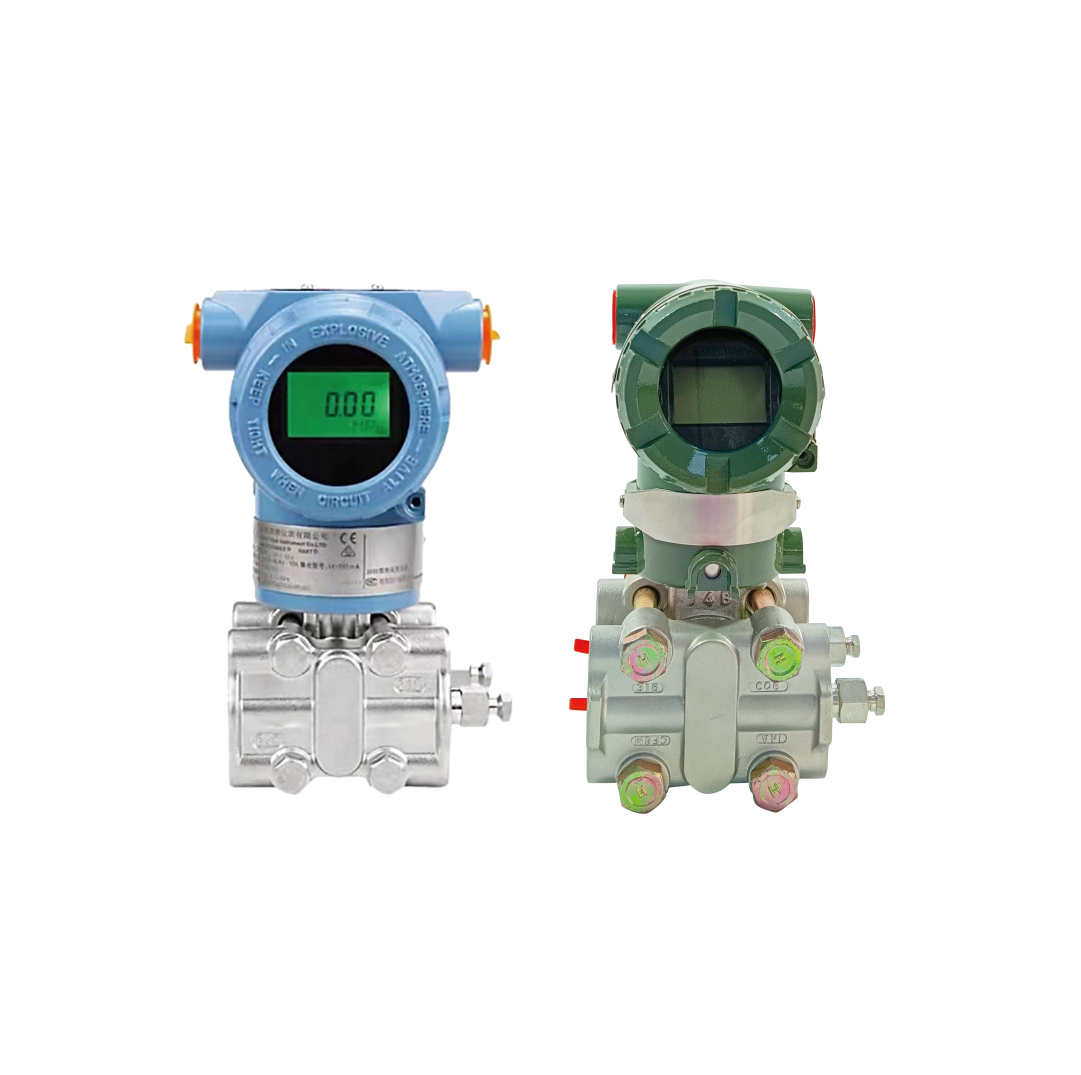
Boiler DP System Overview
Let me share our expertise in implementing differential pressure solutions for boiler applications.
What Is A Differential Pressure Transmitter For A Boiler?
Many boiler operators struggle with understanding the critical role of DP transmitters in their systems.
A boiler differential pressure transmitter is a device that measures pressure differences between the steam and water spaces, enabling accurate water level monitoring and steam flow measurement.
Based on our field experience:
Key Components and Applications
Essential Elements
Component Function Importance Sensing Element Pressure detection Safety critical Impulse Lines Pressure connection Reliability Electronics Signal processing Accuracy Housing Environmental protection Durability Operating Parameters
- Pressure ranges
- Temperature limits
- Response times
- Signal outputs
Safety Considerations
Critical Functions
- Water level monitoring
- Steam flow measurement
- Pressure control
- Safety interlocks
Maintenance Requirements
- Regular calibration
- Line purging
- Seal pot monitoring
- Documentation
What Is The Purpose Of A Differential Pressure Transmitter?
Understanding the purpose of DP transmitters is crucial for safe boiler operation.
Differential pressure transmitters serve multiple purposes in boiler systems, primarily ensuring safe water levels, monitoring steam flow, and protecting equipment through continuous pressure difference measurements.
Drawing from our technical expertise:
Primary Functions
Measurement Applications
Application Purpose Benefit Water Level Safety monitoring Prevent dry running Steam Flow Production control Efficiency Filter Status Maintenance timing Reliability Pump Protection Equipment safety Longevity Control Integration
- Automated systems
- Safety circuits
- Performance monitoring
- Data logging
System Benefits
Operational Advantages
- Continuous monitoring
- Real-time data
- Preventive maintenance
- Energy efficiency
Safety Features
- Alarm systems
- Shutdown triggers
- Trend analysis
- Compliance reporting
What Is DP Transmitter In A Boiler?
Many technicians need clarity on DPT terminology and its specific role in boiler systems.
DPT (Differential Pressure Transmitter) in a boiler is a critical instrument that converts pressure differences into electronic signals for monitoring water level, steam flow, and system performance.
From our implementation experience:
DP Transmitter System Integration
Key Features
Feature Purpose Application Range Selection Measurement accuracy Process matching Output Signal Control interface System integration Diagnostics Health monitoring Maintenance Protection Environmental resistance Reliability Performance Factors
- Accuracy requirements
- Response characteristics
- Temperature effects
- Long-term stability
Implementation Requirements
System Design
- Installation planning
- Connection methods
- Signal processing
- Maintenance access
Operational Parameters
- Calibration procedures
- Testing protocols
- Documentation requirements
- Training needs
Where Should A Differential Pressure Transmitter Be Installed?
Proper installation location is essential for accurate and reliable pressure measurements.
Differential pressure transmitters should be installed at designated tapping points on the boiler, with proper impulse line configuration, easy maintenance access, and protection from excessive heat and vibration.
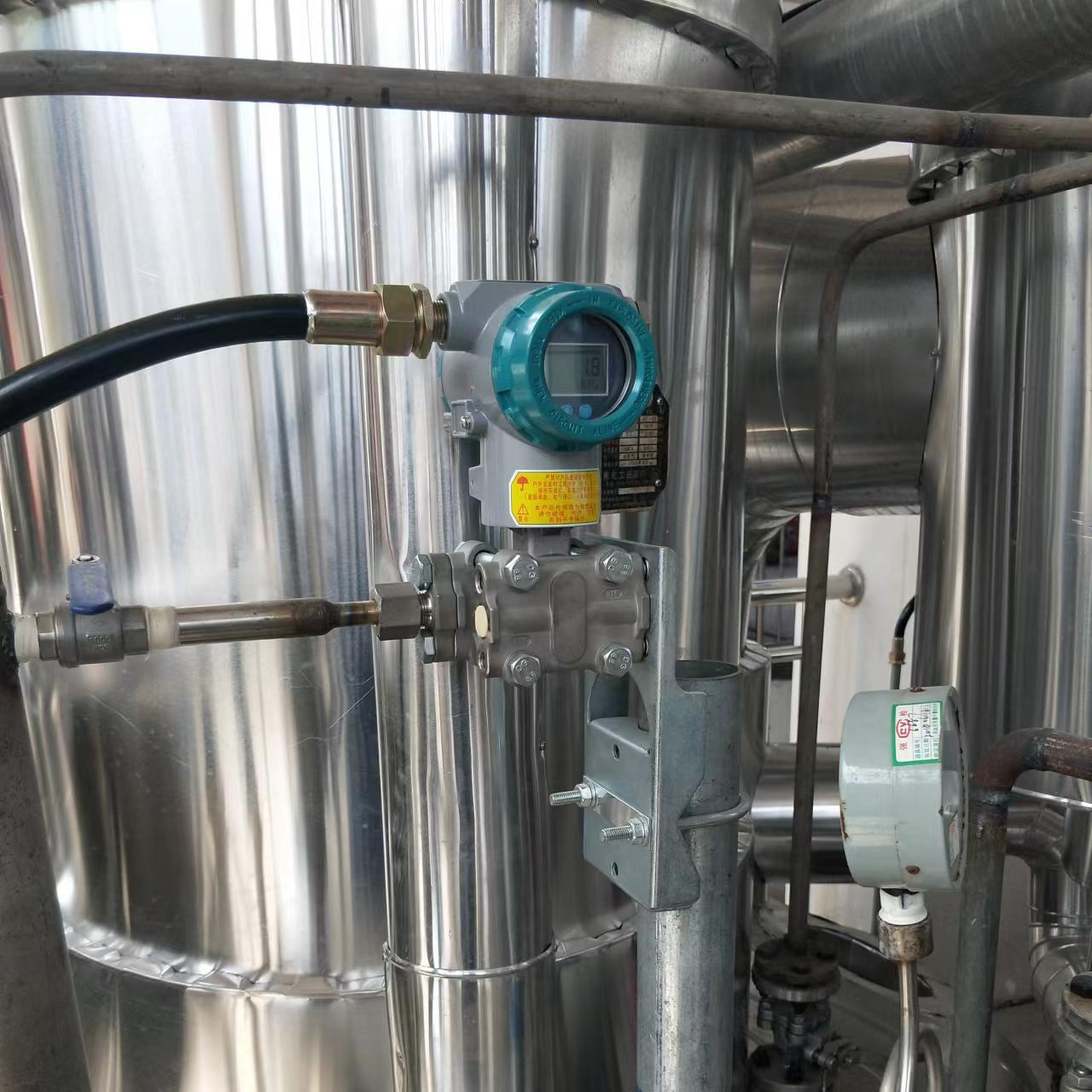
DP Installation Location Guide
Based on our installation experience:
Installation Guidelines
Location Considerations
Factor Requirement Reason Access Easy reach Maintenance Heat Protection Proper distance Reliability Mounting Stable support Accuracy Connections Correct tapping Safety Environmental Factors
- Temperature limits
- Vibration exposure
- Steam exposure
- Weather protection
Best Practices
Installation Process
- Site preparation
- Mounting setup
- Line installation
- System testing
Verification Steps
- Pressure testing
- Signal verification
- Safety checking
- Documentation
Conclusion
Successful implementation of differential pressure transmitters in boiler systems requires proper understanding of installation requirements, regular maintenance, and careful attention to safety considerations for optimal performance.