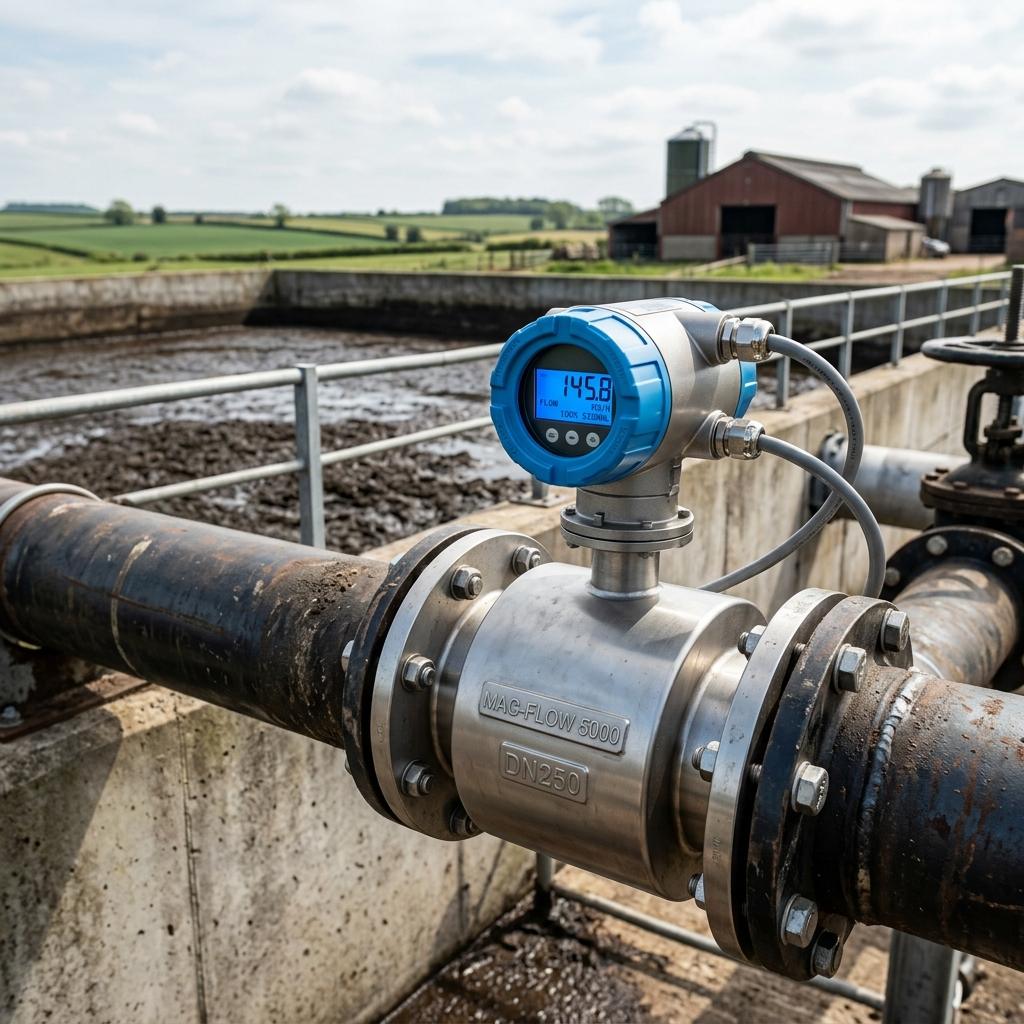
Choosing the wrong flow meter for wastewater applications can lead to measurement errors, maintenance issues, and increased operational costs.
Wastewater flow meters include magnetic flowmeters, ultrasonic meters, area-velocity sensors, and open channel measurement devices, each designed for specific applications.
Let me share my experience with different types of wastewater flow meters and their applications.
What Are The Different Types Of Flow Meters?
Many facilities struggle with selecting the right flow meter type for their specific applications.
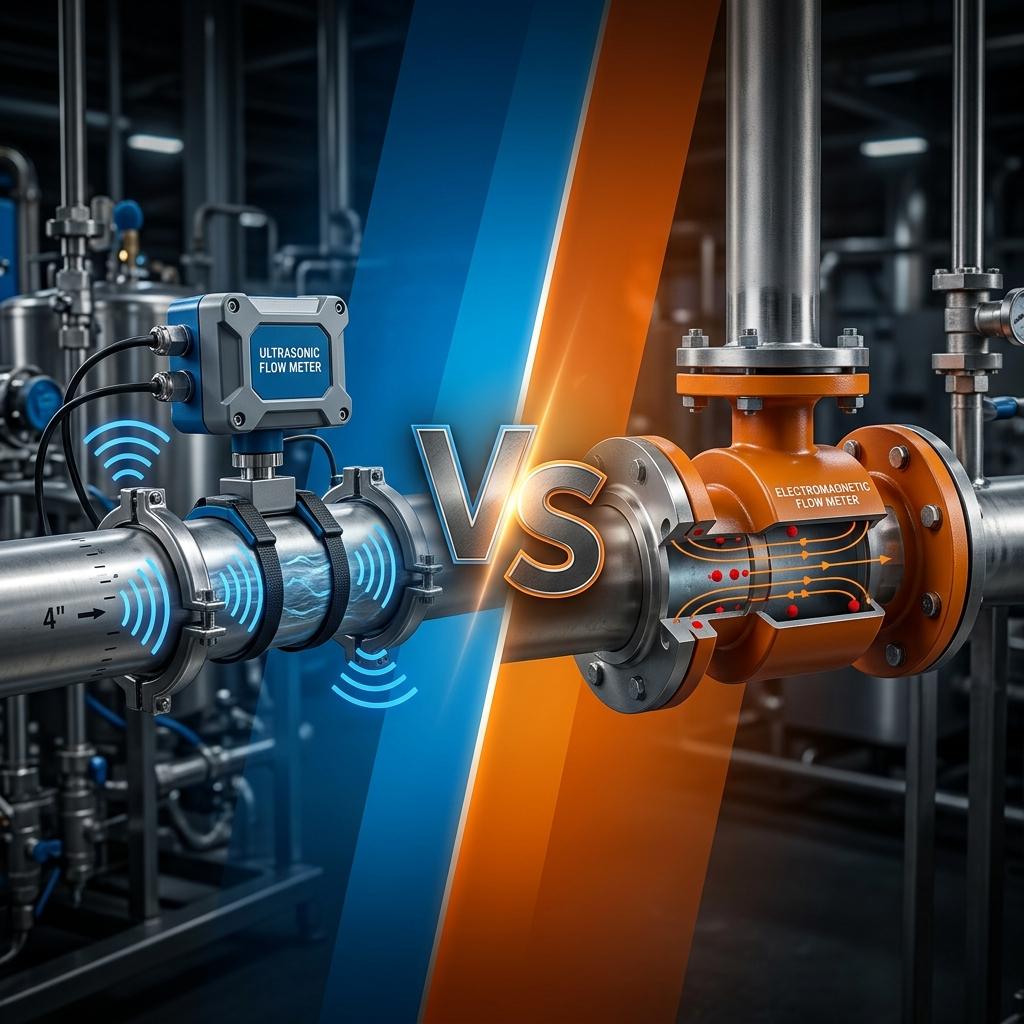
Flow meters come in various types including magnetic, ultrasonic, vortex, thermal, and differential pressure meters, each with unique advantages for different flow conditions.
Based on my implementation experience:
Flow Meter Categories
Technology Types
Type Principle Best For Limitations Magnetic Electromagnetic Conductive fluids Requires conductivity Ultrasonic Sound waves Clean liquids Installation sensitive Vortex Vortex shedding Steam/gas Minimum flow needed Thermal Heat transfer Low flows Temperature dependent Application Considerations
- Flow conditions
- Fluid properties
- Installation requirements
- Maintenance needs
Selection Criteria
Key Factors
- Accuracy requirements
- Flow range
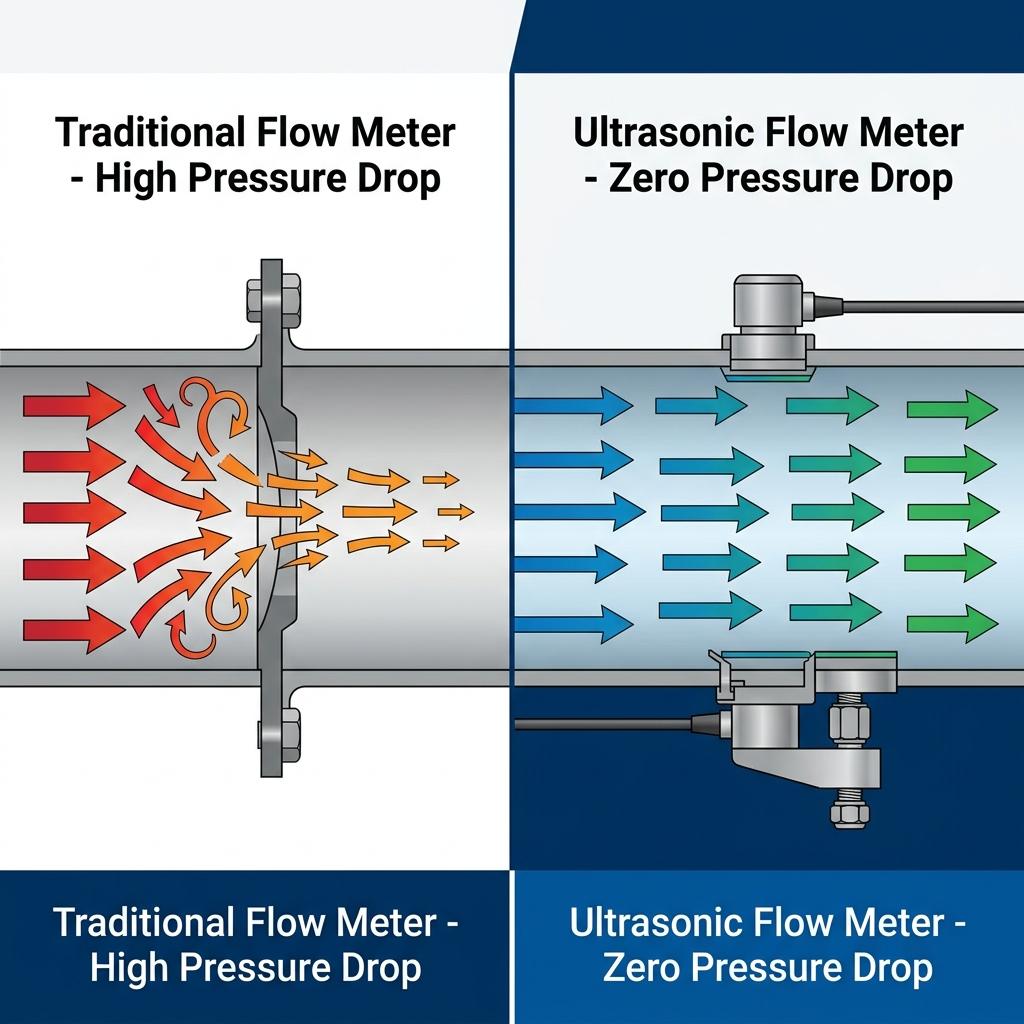
- Pressure loss
- Cost considerations
Environmental Factors
- Temperature range
- Pressure conditions
- Chemical compatibility1
- Space constraints
What Is The Most Commonly Used Flow Meter?
Understanding which flow meter is most popular can help in making informed decisions for your application.
Magnetic flowmeters are the most commonly used type in wastewater applications due to their accuracy, reliability, and ability to handle dirty fluids.
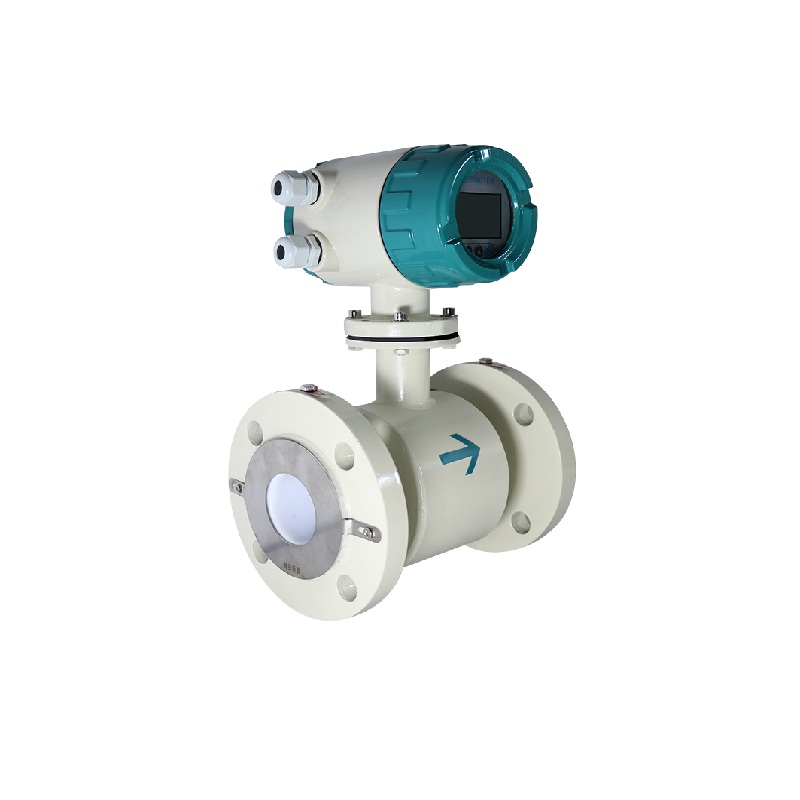
Magnetic Flow Meter Installation
From my experience:
Magnetic Flowmeter Advantages
Key Benefits
Feature Benefit Application Impact No moving parts Low maintenance Heavy duty Cost savings High accuracy2 Reliable data Process control Better efficiency No pressure loss Energy saving Pumping systems Lower costs Bi-directional Versatile use Complex systems Flexibility Implementation Considerations
- Installation requirements
- Power supply needs
- Grounding methods
- Calibration procedures
Application Guidelines
Best Practices
- Proper sizing
- Correct installation
- Regular maintenance3
- Performance monitoring
Common Challenges
- Empty pipe detection
- Ground loops
- Coating effects
- Signal interference
What Are The Different Types Of Flow Meters For Sewer Systems?
Selecting inappropriate flow meters for sewer systems can result in measurement failures and increased maintenance.
Sewer system flow meters include submersible area-velocity sensors, ultrasonic devices, and magnetic flowmeters for full pipes.
Drawing from my expertise:
Sewer Flow Meter Types
Technology Options
Type Application Advantages Maintenance Area-velocity Partially full Versatile Regular cleaning Non-contact radar Open channel No contact Minimal Ultrasonic Full pipe Non-invasive Moderate Magnetic Full pipe Accurate Low Selection Factors
- Flow conditions
- Installation location
- Maintenance access
- Budget constraints
Implementation Strategy
Installation Requirements
- Site preparation
- Mounting options
- Power supply
- Data transmission
Operational Aspects
- Cleaning schedule
- Calibration needs
- Performance checks
- Data management
Conclusion
Understanding different flow meter types and their applications is crucial for selecting the right device for your specific wastewater measurement needs, ensuring accurate data and efficient operations.
Chemical compatibility is vital for safety and efficiency. This resource will guide you in making informed material choices. ↩
Exploring this resource will provide insights into how high accuracy enhances process control and boosts efficiency. ↩
This link will explain the significance of regular maintenance in ensuring optimal equipment performance and longevity. ↩