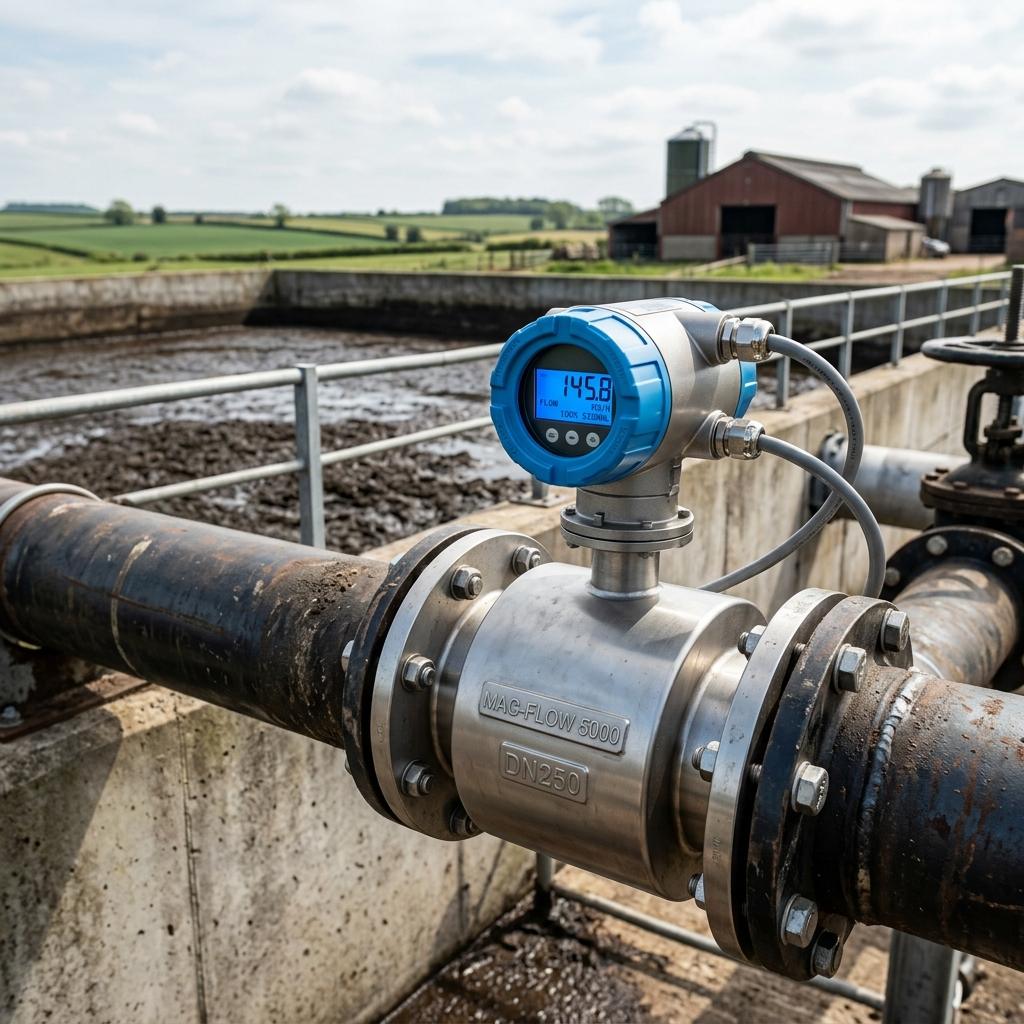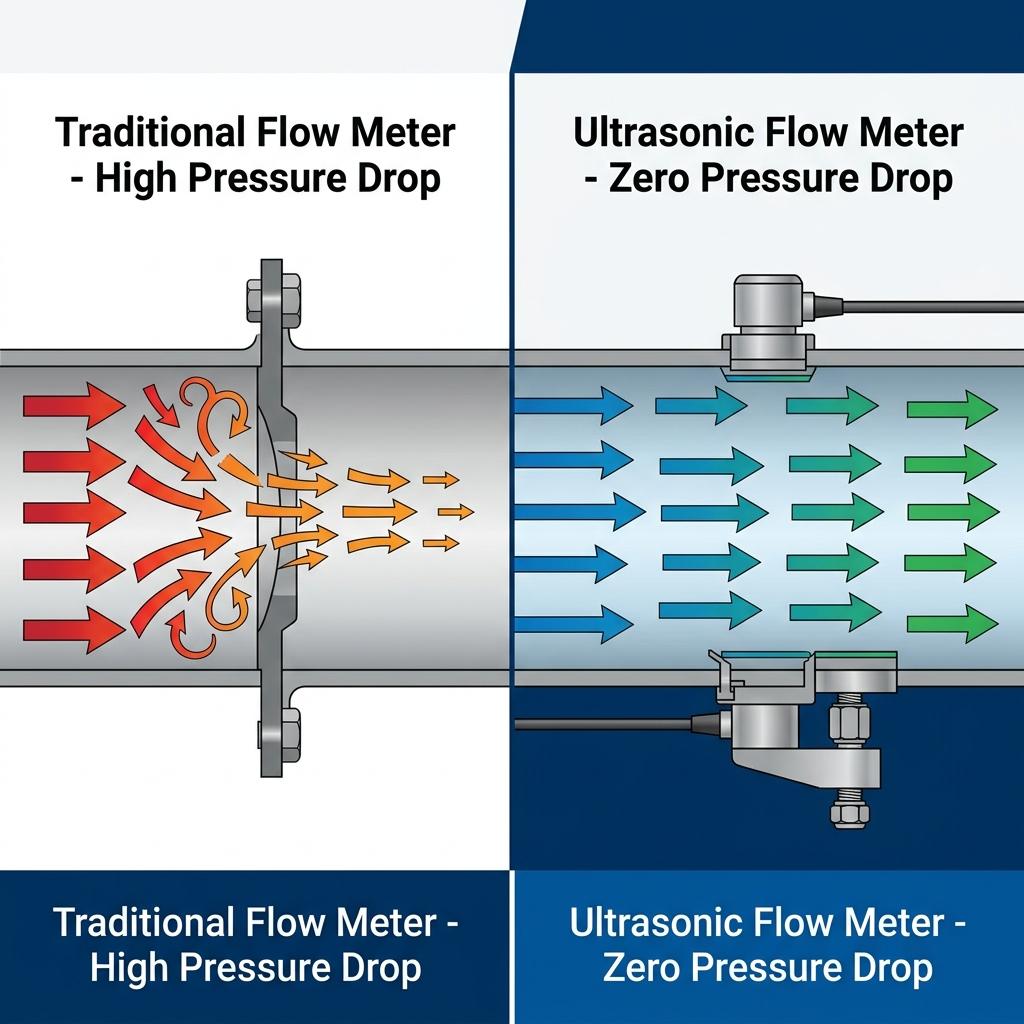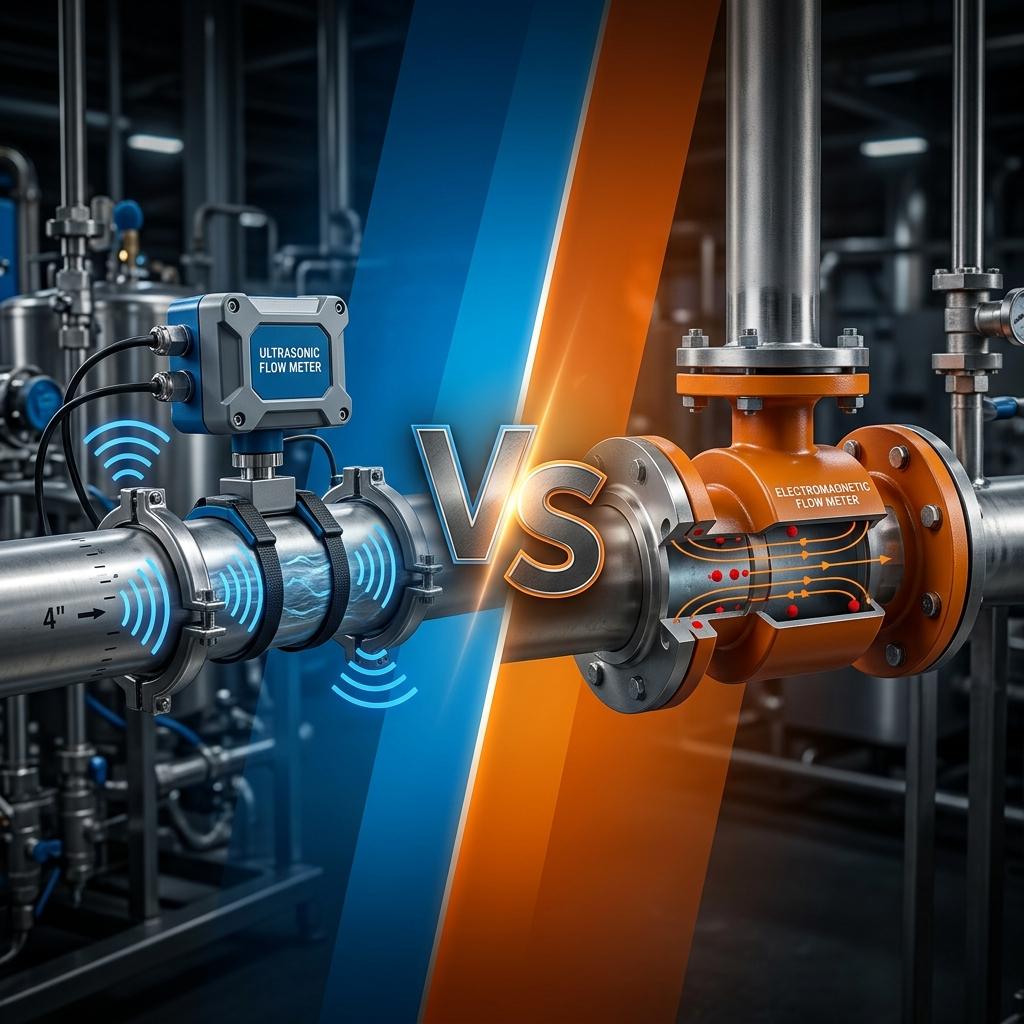
Choosing the wrong flow meter can lead to measurement inaccuracies, maintenance headaches, and wasted investment.
Flow meter technologies vary in accuracy from 0.1% to 5%, with Coriolis meters offering the highest accuracy (0.1%), followed by magnetic (0.2-0.5%), ultrasonic (0.5-1%), and mechanical meters (1-2%).
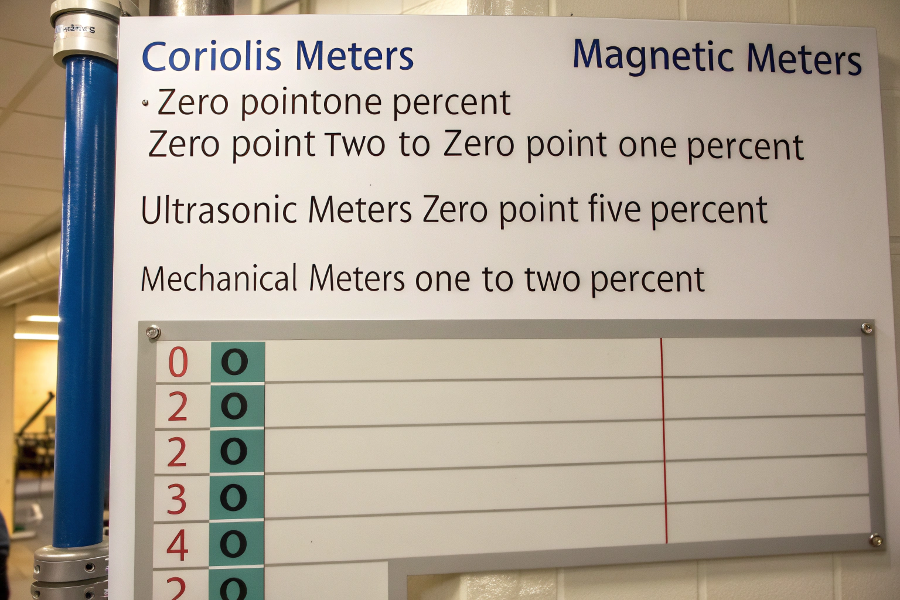
Flow Meter Technology Comparison Chart
I’ve worked with various flow meter technologies, and here’s my comprehensive analysis.
What is the Most Accurate Type of Flow Meter?
Many industrial processes suffer from measurement errors due to selecting less accurate flow meters for critical applications.
Coriolis flow meters provide the highest accuracy at ±0.1% of rate, directly measuring mass flow while being largely immune to fluid property changes and flow profile effects.
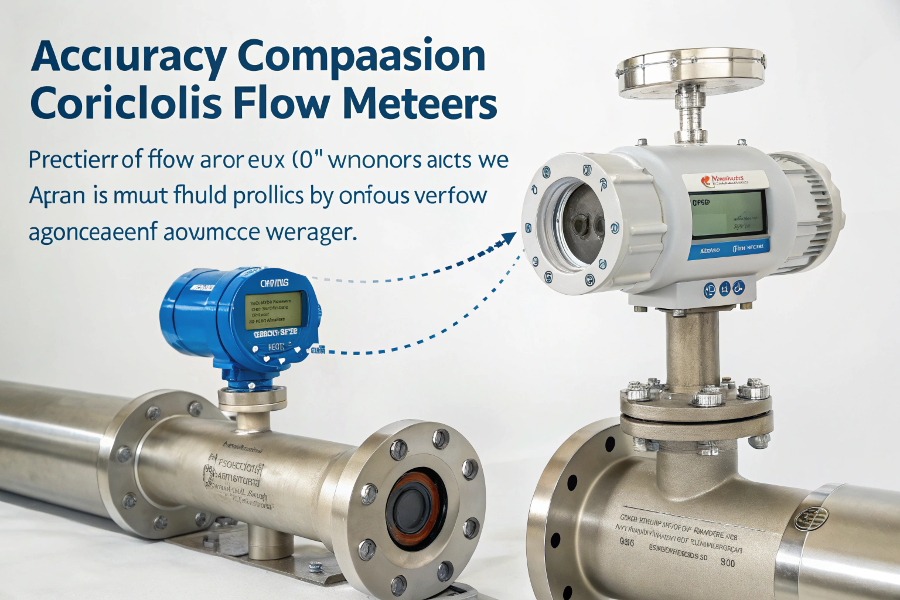
Flow Meter Accuracy Comparison
Based on my field experience:
Accuracy Comparison
Technology Rankings
Technology Accuracy Repeatability Coriolis ±0.1% ±0.05% Magnetic ±0.2% ±0.1% Ultrasonic ±0.5% ±0.15% Vortex ±0.7% ±0.2% Influencing Factors
- Installation conditions
- Fluid properties
- Flow range
- Environmental factors
Application Considerations
Selection Criteria
- Process requirements
- Cost constraints
- Maintenance needs
- Installation limits
Performance Optimization
- Calibration frequency
- Installation quality
- Regular maintenance
- Environmental protection
Understanding accuracy requirements ensures proper selection.
What are the Different Types of Flowmeters?
Misunderstanding flow meter types and their applications can result in poor measurement performance and unnecessary costs.
Common flow meter types include differential pressure, electromagnetic, ultrasonic, Coriolis, vortex, and mechanical meters, each suited for specific applications and conditions.
From my experience with various technologies:
Technology Overview
Operating Principles
Type Measurement Principle Best Application Magnetic Faraday’s Law Conductive Liquids Ultrasonic Sound Wave Transit Clean Liquids/Gas Coriolis Mass Flow Direct High Accuracy Needs Vortex Vortex Shedding Steam/Gas/Liquid Application Factors
- Fluid type
- Flow conditions
- Process requirements
- Installation constraints
Selection Guidelines
Key Considerations
- Accuracy needs
- Cost limitations
- Maintenance capability
- Environmental conditions
Installation Requirements
- Space availability
- Straight run needs
- Power availability
- Communication options
Understanding technology options enables proper selection.
What are the Disadvantages of Ultrasonic Flow Meter?
Overlooking ultrasonic flow meter limitations can lead to unexpected measurement problems and system failures.
Ultrasonic flow meters face challenges with aerated fluids, high-solid content, and signal distortion, requiring specific installation conditions and fluid clarity for optimal performance.
Based on my troubleshooting experience:
Common Challenges
Limitation Categories
Challenge Impact Solution Air Bubbles Signal Loss De-aeration Solids Content Accuracy Drop Filtration Signal Path Installation Issues Proper Mounting Temperature Changes Drift Compensation Installation Issues
- Straight run requirements
- Mounting location
- Signal interference
- Environmental effects
Mitigation Strategies
Design Considerations
- Path configuration
- Transducer selection
- Installation planning
- Maintenance access
Operating Requirements
- Regular cleaning
- Signal monitoring
- Calibration checks
- Environmental protection
Understanding limitations enables proper application.
What is the Difference Between Coriolis and Vortex Flow Meter?
Confusion between Coriolis and vortex technologies can result in improper meter selection and application.
Coriolis meters measure mass flow directly using tube vibration principles, while vortex meters measure volumetric flow by counting vortices created by flow obstacles.
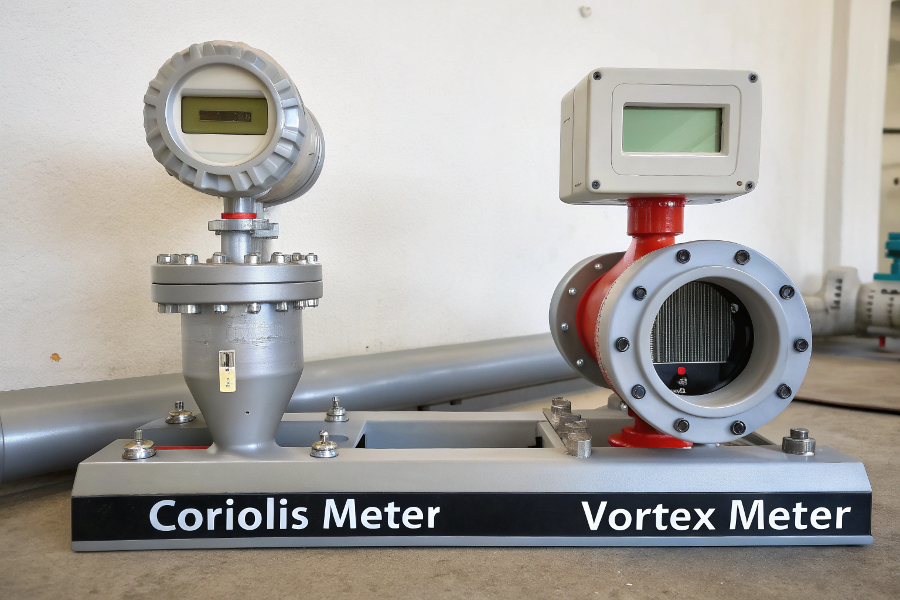
Coriolis vs Vortex Flow Meter Comparison
From my experience with both technologies:
Technical Differences
Key Characteristics
Feature Coriolis Vortex Accuracy ±0.1% ±0.7% Mass Flow Direct Inferred Pressure Drop Higher Medium Cost Higher Lower Application Factors
- Flow ranges
- Fluid properties
- Process conditions
- Installation requirements
Selection Guidelines
Process Considerations
- Accuracy needs
- Budget constraints
- Maintenance capability
- Space availability
Installation Requirements
- Mounting options
- Support needs
- Straight runs
- Power requirements
Understanding differences ensures proper selection.
Conclusion
Each flow meter technology has unique strengths and limitations, making proper selection critical for achieving optimal measurement performance in specific applications.