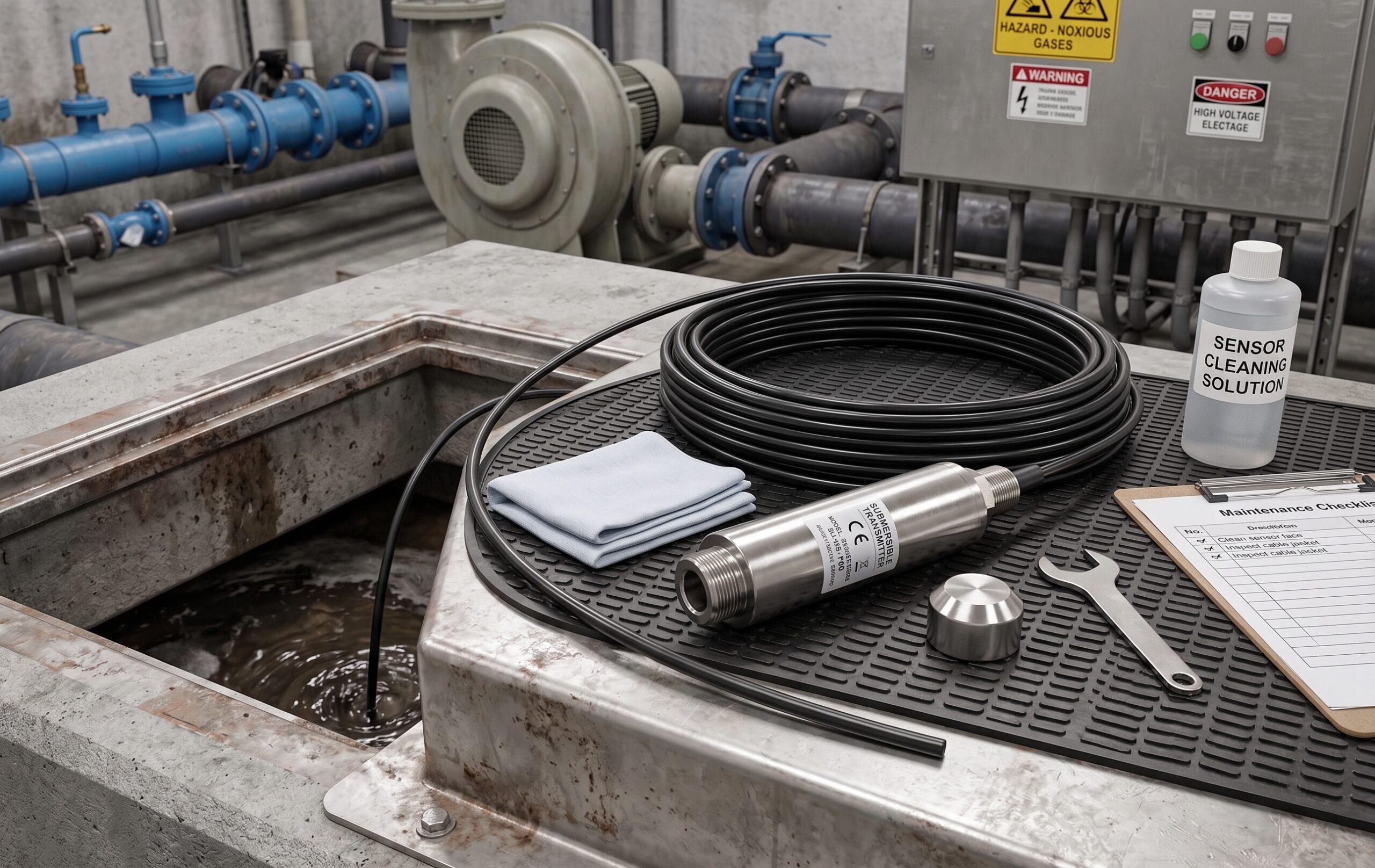
Many industrial facilities lose thousands of dollars due to inaccurate level measurements and unplanned downtime from faulty radar transmitters.
Effective radar level transmitter troubleshooting involves systematic checking of power supply, signal strength, echo curves, and process conditions to identify and resolve measurement issues.
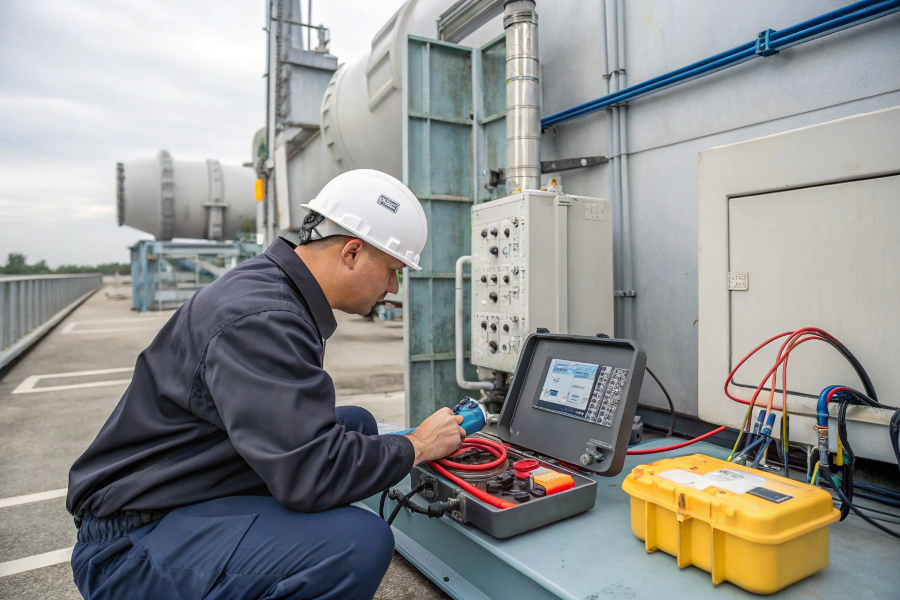
Radar Level Transmitter Troubleshooting Overview
Let me share my troubleshooting experience to help you maintain reliable measurements.
How to Troubleshoot a Faulty Of a Radar Level Transmitter?
Incorrect readings or no output often creates confusion and frustration.
Begin troubleshooting by verifying power supply, checking echo curves, inspecting physical installation, and analyzing process conditions systematically.

Radar Transmitter Fault Diagnosis
From my field experience:
Common Issues
Problem Categories
Issue Symptoms Common Causes No output No display/signal Power/wiring Wrong reading Incorrect level Setup/install Unstable Fluctuating values Process/noise Loss of signal Missing data Blocking/coating Basic Checks
- Power supply voltage
- Wiring connections
- Physical damage
- Display status
Systematic Approach
Investigation Steps
- Visual inspection
- Power verification
- Signal analysis
- Process review
Documentation
- Error messages
- Parameter changes
- Maintenance history
- Process conditions
Systematic troubleshooting saves time.
How to Calibrate a Radar Transmitter?
Poor calibration often causes measurement errors.
Calibration requires setting zero and span points, mapping false echoes, adjusting signal processing parameters, and verifying accuracy across the measurement range.
Based on my calibration experience:
Calibration Process
Basic Setup
Step Action Purpose Zero set Bottom reference Base point Span set Top reference Range Echo map Interference Clean signal Validation Accuracy check1 Confirmation Parameter Settings
- Dielectric constant
- Process conditions
- Output scaling
- Damping values
Verification Steps
Accuracy Check
- Multiple points
- Repeatability
- Linearity
- Response time
Documentation
- Settings record
- Test results
- Changes made
- Performance data
Proper calibration ensures accuracy.
How to Check a Radar Level Transmitter?
Regular checks prevent unexpected failures.
Check level transmitters by verifying physical condition, power supply, output signal, and measurement accuracy against known reference points.
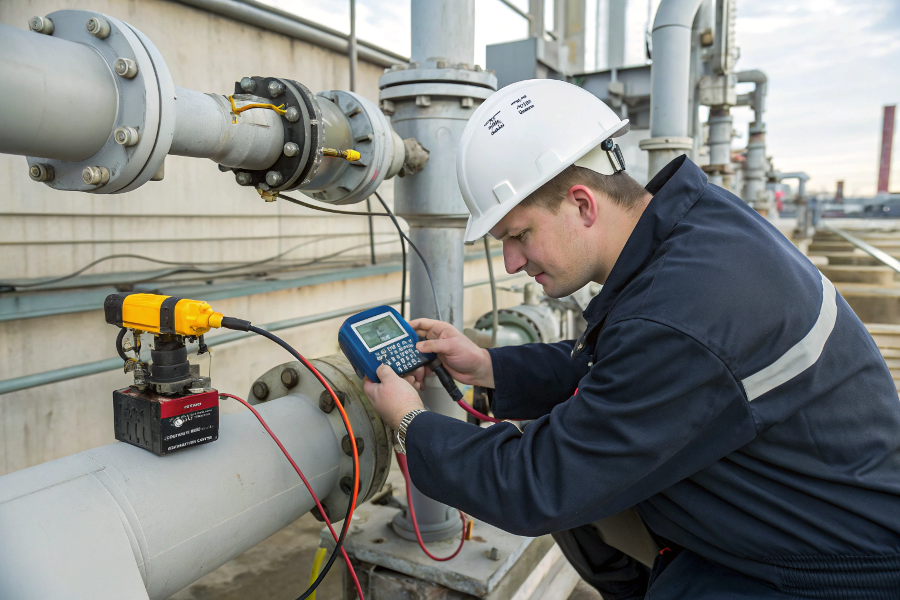
Level Transmitter Checking
Here’s my checking routine:
Inspection Points
Physical Check
Item Look For Action Antenna Damage/coating Clean/repair Housing Integrity/water Seal/protect Mounting Stability/level Adjust/secure Connections Tight/corrosion Clean/tighten Performance Check
- Signal strength
- Echo quality
- Response time
- Output accuracy
Maintenance Tasks
Regular Actions
- Cleaning schedule
- Parameter review
- Signal analysis
- Documentation
Preventive Steps
- Environment protection
- Coating prevention
- Regular updates
- Staff training
Regular checks prevent failures.
How to Work with a Radar Level Transmitter?
Understanding proper operation ensures reliable measurements.
Working with radar level transmitters involves proper installation, configuration, regular maintenance, and understanding of basic operating principles.
From my operational experience:
Operating Principles
Basic Functions
Function Purpose Consideration Emission Signal send Clear path Reception Echo receive Signal strength Processing Data analyze2 Parameters Output Level signal Scale/format Key Parameters
- Measurement range
- Update rate
- Signal processing
- Output settings
Best Practices
Operation Guidelines
- Regular monitoring
- Parameter checks
- Performance review
- Maintenance schedule
Safety Considerations
- Power isolation
- Process safety
- Access security
- Documentation
Understanding operation improves reliability.
Conclusion
Successful radar level transmitter operation requires systematic troubleshooting, proper calibration, regular checking, and understanding of basic operating principles. Following these practices ensures reliable and accurate measurements.