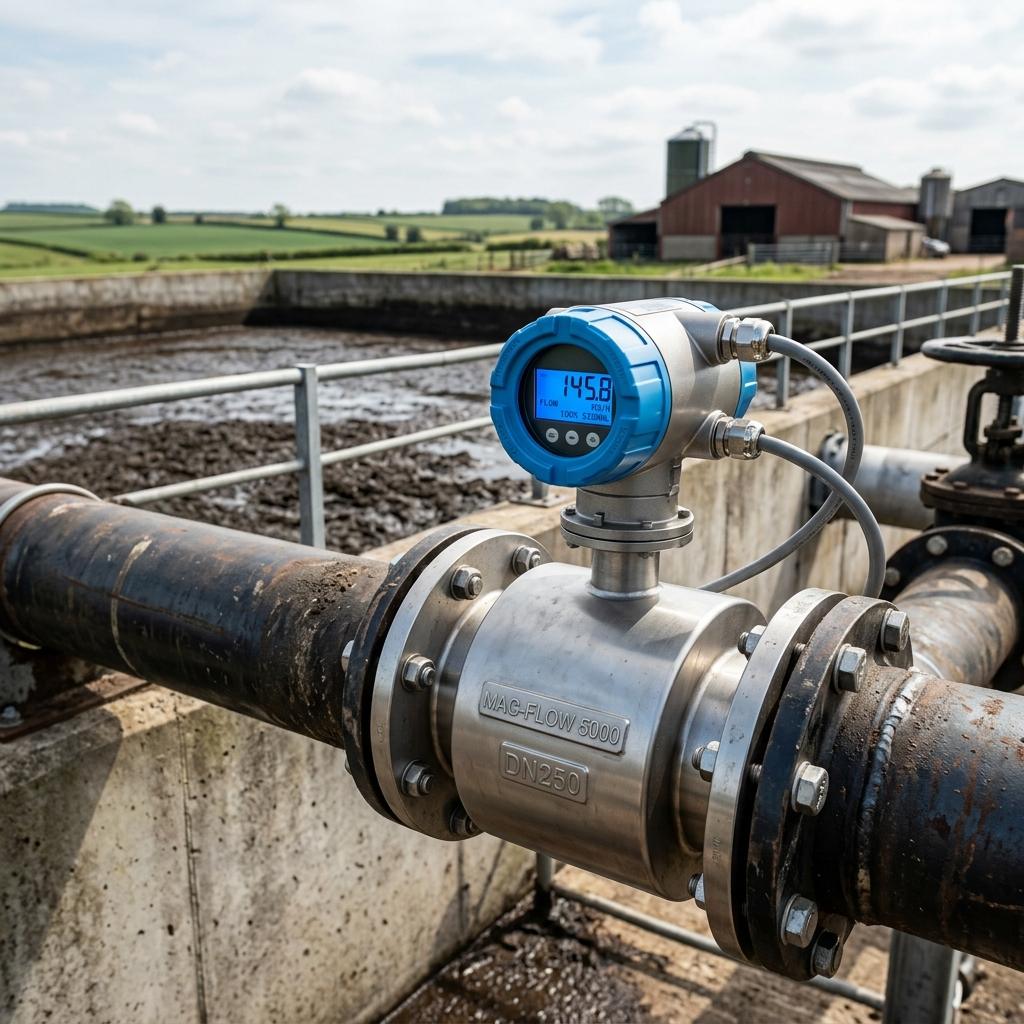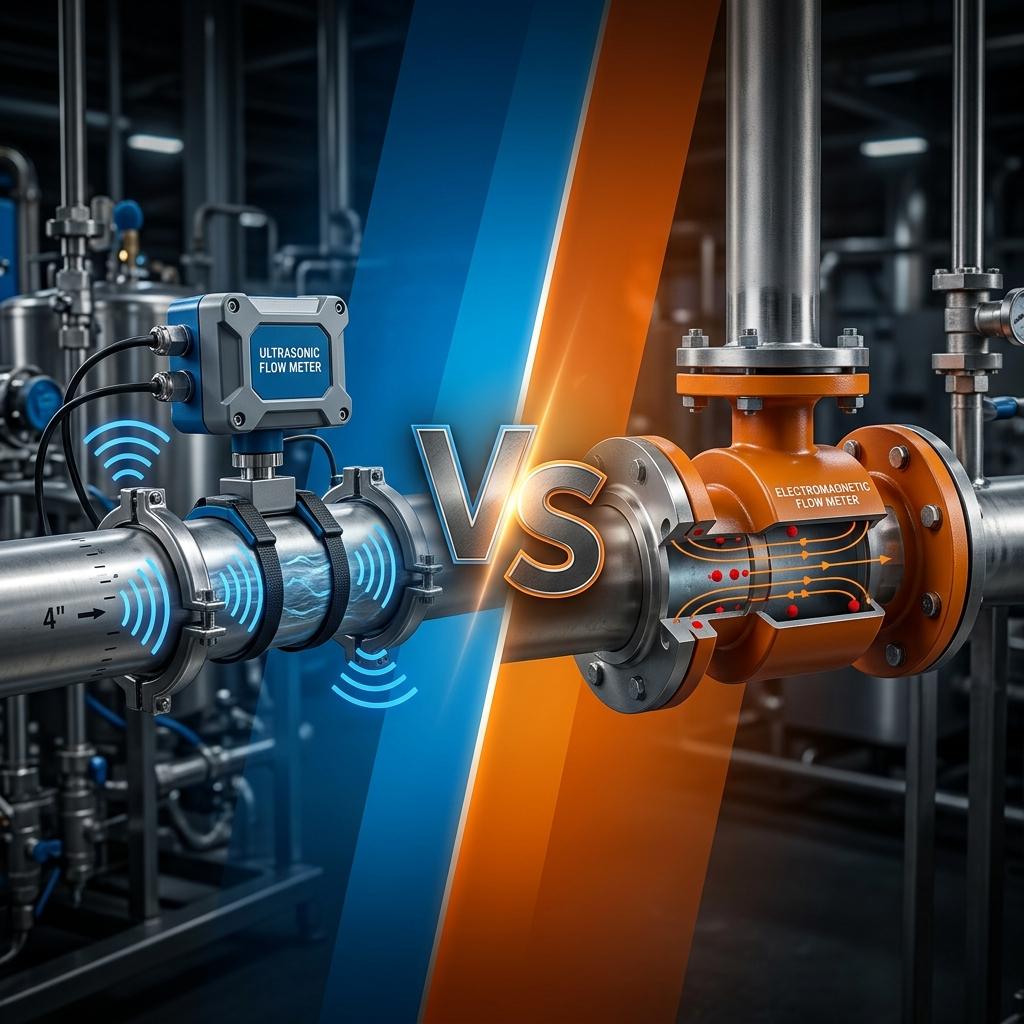
Worried about pressure loss in your pipeline? Let’s clear up the confusion around magnetic flow meters.
Magnetic flow meters (mag meters) have no moving parts and create minimal pressure drop—typically less than 0.1 bar (1.5 psi) under normal flow conditions. Unlike restrictive devices (orifice plates, venturis), they maintain near-full pipe diameter, preserving system pressure efficiently.
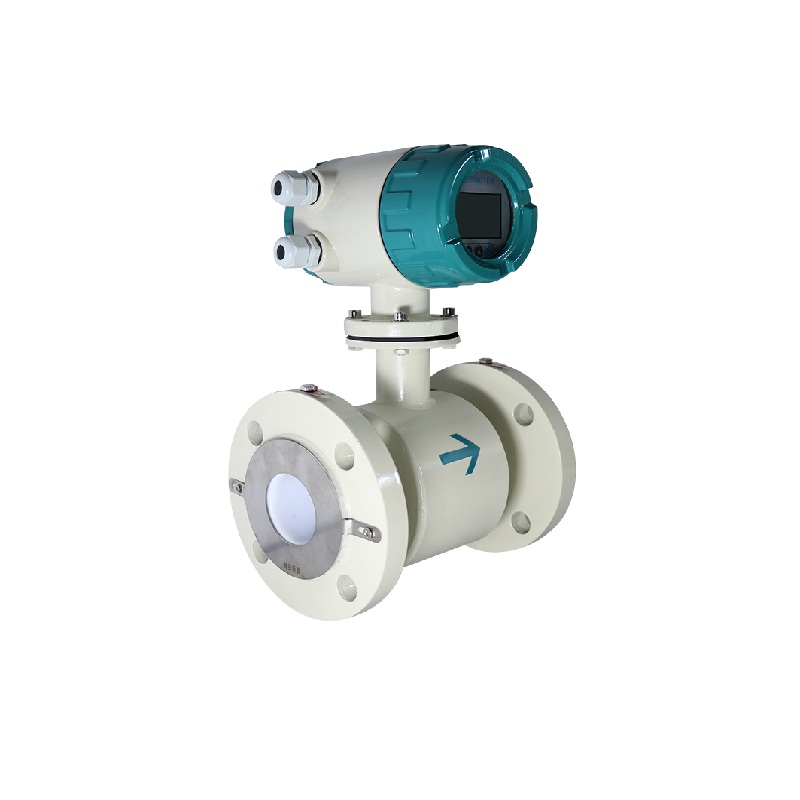
Magnetic Flow Meter
Here’s why mag meters excel in low-pressure-drop applications
Do Mag Meters Have Pressure Drop?
Mag meters impact pressure far less than other flow technologies.
Their straight-through design avoids obstructions—electrodes are flush with the pipe wall. Pressure loss is 0.05–0.1 bar versus 0.5+ bar for orifice plates. This makes them ideal for low-head systems like irrigation or chemical dosing.
Key factors affecting pressure drop:
Pressure Drop Contributors in Mag Meters
| Factor | Impact Level | Mitigation Tips |
|---|---|---|
| Pipe Diameter Match | Low | Avoid undersized meters |
| Liner Material | Minimal | Smooth PTFE liners reduce drag |
| Flow Velocity | Moderate | Stay within 1–3 m/s range |
| Installation Angle | None | Vertical/horizontal irrelevant |
| Electrode Protrusion | None | Properly flush electrodes |
What Is the Pressure Drop in a Flow Meter?
Not all flow meters behave the same.
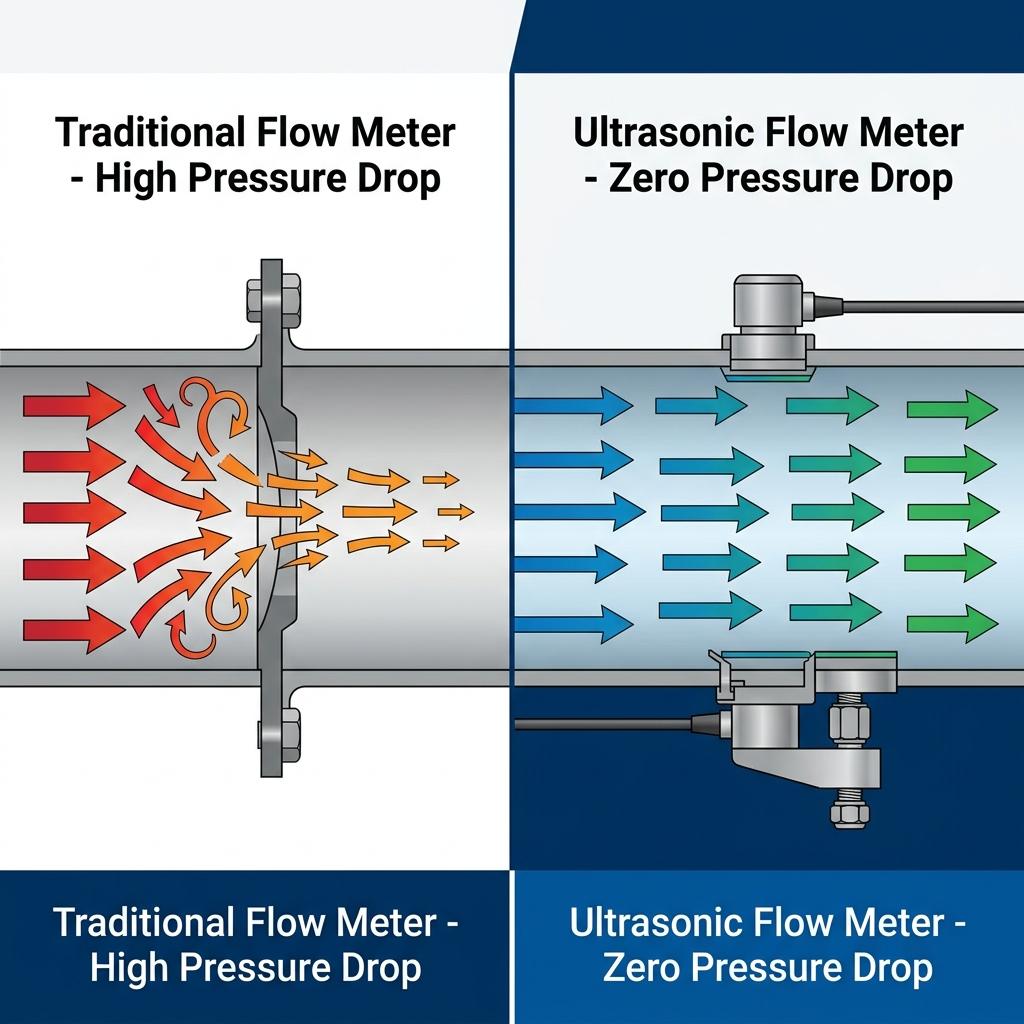
Magnetic flow meters typically show 0.01–0.1 bar loss (0.15–1.5 psi), while turbine meters lose 0.1–0.3 bar, and orifice plates can exceed 0.5 bar. Coriolis meters, despite moving parts, often match mag meters’ low drop due to their straight-tube designs.
Comparative analysis:
Pressure Drop by Flow Meter Type (at 10 m/s)
| Meter Type | Typical Drop | Why? |
|---|---|---|
| Magnetic | 0.07 bar | Unobstructed bore |
| Coriolis | 0.08 bar | Straight tubes in some models |
| Ultrasonic | 0 bar | No physical contact |
| Turbine | 0.25 bar | Rotor creates drag |
| Orifice Plate | 0.8 bar | Constriction forces high loss |
Does a Flow Meter Reduce Pressure?
Only if poorly selected.
Well-designed mag meters reduce pressure less than an equivalent length of pipe. For example, a 6" mag meter adds pressure drop1 equal to just 1–2 meters of straight pipe. Systems with tight pressure budgets should prioritize mag or ultrasonic meters.
Practical implications:
When Pressure Drop Matters Most
| Application | Max Allowable Drop | Preferred Meter Type |
|---|---|---|
| Pump Discharge | 0.2 bar | Magnetic/Ultrasonic |
| Gravity-Fed Systems | 0.05 bar | Magnetic (oversized bore) |
| Slurry Transport | 0.3 bar | Magnetic (liner-matched) |
| HVAC Chilled Water | 0.15 bar | Magnetic/Coriolis |
Pro Tip: For ultra-low-drop needs (e.g., seawater intake), specify full-bore mag meters with wafer-style connections and electrodes recessed 0.5mm to eliminate turbulence.
Conclusion
Magnetic flow meters introduce negligible pressure drop—often <0.1 bar—making them ideal for pressure-sensitive systems. They outperform most meter types while maintaining accuracy.
Understanding pressure drop is crucial for optimizing flow meter selection and ensuring system efficiency. Explore this link for detailed insights. ↩